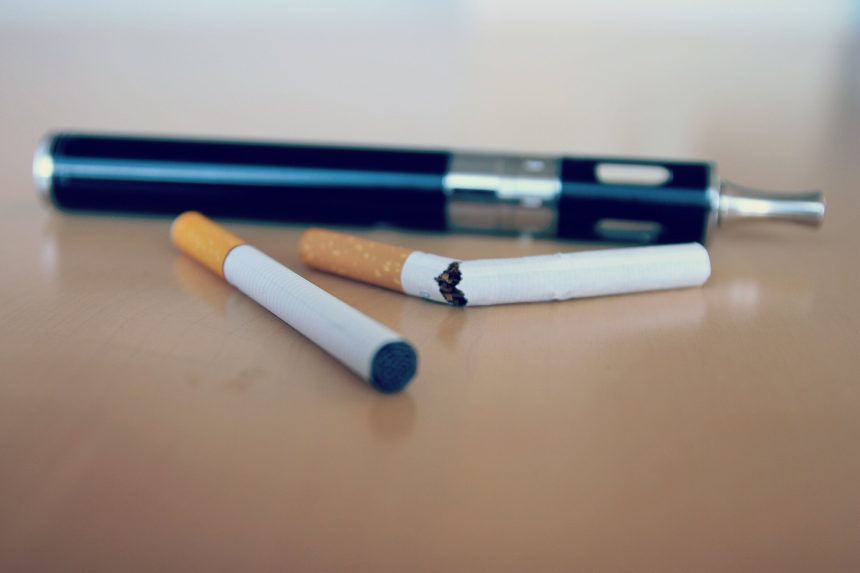
Quitting smoking is one of the strongest steps a person can take for long-term health, yet it often raises a follow-up question about vaping. World News Research looks here at what researchers actually know about electronic cigarette use after smoking cessation, and where the limits of that knowledge still lie for research-minded readers who compare sources before drawing conclusions.
Lung cancer develops over many years, and smoking history remains central to any discussion of risk. A person who smoked heavily for decades carries a risk shaped largely by that earlier exposure, even after stopping. Switching completely away from combustible cigarettes removes exposure to smoke and tar, but it does not erase the past, and it does not make the lungs new again. Specialists therefore discuss vaping after quitting in terms of relative exposure and remaining uncertainty, not as a clean guarantee in either direction.
What the current evidence suggests
Studies of aerosol from electronic cigarettes generally find fewer of several harmful substances than are present in cigarette smoke, although levels vary by device, liquid and pattern of use. The World Health Organization overview of tobacco and health summarises why health agencies still urge caution: e-cigarette aerosol is not simply water vapour, it can contain nicotine and other substances, and long-term outcomes are still being tracked. Because these products have not been used by large populations for several decades, researchers cannot yet observe the full time span over which lung cancers typically emerge.
Laboratory and short-term human studies add useful pieces without completing the picture. Some findings show changes in airway cells and inflammation markers, while others show improvements in certain measures after smokers switch completely. Neither type of result, on its own, proves or disproves a future cancer risk. Responsible reporting has to hold both facts at once, which is why the National Cancer Institute notes on tobacco-related cancer risk and similar sources frame tobacco risk as a continuum rather than a simple yes-or-no question.
Why former smokers are a special case
Most long-term data on lung cancer come from people defined by their smoking history, and former smokers remain at elevated risk for years after their final cigarette. That background risk can make new studies hard to interpret: if a former smoker who vapes develops lung cancer, separating the contribution of earlier smoking from any later exposure is extremely difficult. Age at quitting, total years smoked and time since quitting all change the calculation, so broad claims aimed at every former smoker should be treated with scepticism.
Dual use is another important distinction. People who continue smoking some cigarettes while also vaping keep the exposure most strongly linked to lung cancer. Research summaries consistently treat complete switching differently from partial substitution, and anyone reading product marketing should check which pattern a claim actually describes. Our earlier coverage for readers following this topic is available in this related article on our site, which gives useful background before returning to the points below.
Practical, cautious guidance
General guidance from health professionals is consistent on a few points. People who do not smoke should not start vaping. Former smokers who have quit entirely and do not vape gain no health benefit from taking it up. Those who use e-cigarettes as part of stopping smoking are usually advised to aim, over time, to stop vaping as well, and to discuss screening and personal risk with their own clinician. Lung cancer screening recommendations depend on individual smoking history, so personal medical advice cannot be replaced by an article.
Warning signs should never be dismissed because someone has quit. A persistent cough, unexplained weight loss, coughing blood or new breathlessness deserve prompt medical attention regardless of current vaping status. Early assessment gives clinicians more options, and it is the step major health agencies emphasise most strongly for people with a significant smoking history.
Readers should also notice how slowly this science moves compared with online debate. Large cohort studies need years of follow-up, careful records of past smoking, and repeated checks on current habits before they can say anything firm. Until those results arrive, the most trustworthy position is the one that openly states what is known, what is probable and what is still unknown, rather than filling the gaps with certainty.
The bottom line
The fairest summary is a careful one. Vaping after smoking cessation appears to involve lower exposure to several smoke-related toxicants than continued smoking, but direct long-term evidence on lung cancer is not yet available, past smoking remains a powerful risk factor, and no agency describes e-cigarettes as harmless. Treat confident claims on either side cautiously, rely on established health sources, and talk to a healthcare professional about your own history and screening options.