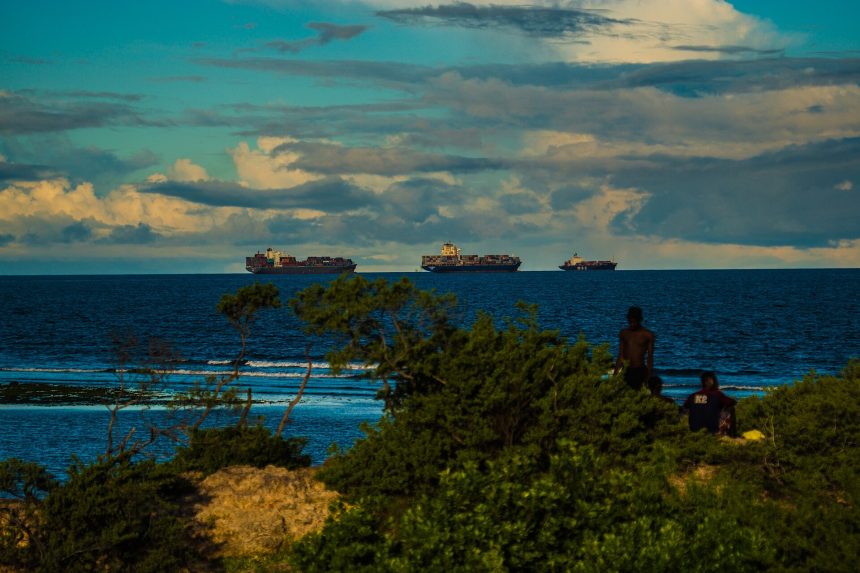
For half a century, the map of world trade barely changed. Container ships followed a small number of well-worn routes between East Asia, North America and Europe, passing through a handful of famous chokepoints: Suez, Panama, Malacca. That map is now being redrawn in real time, under pressure from geopolitics, conflict, drought and a strategic rethink in boardrooms and ministries alike.
The redrawing is not a single event but an accumulation of shocks and decisions. Each one on its own might have been absorbed; together, they are changing where factories are built, which ports grow and how much the things in our shops ultimately cost. Follow our trade and economics coverage for the individual stories behind this larger shift.
The Old Map Is Fading
The old system was built for efficiency above all else. Manufacturing concentrated wherever costs were lowest, supply chains stretched across oceans, and inventory was something to be minimised. It delivered decades of cheap goods, but it assumed stable politics, open sea lanes and predictable weather. Those assumptions have been failing one by one: tariffs and technology restrictions between major economies, a war disrupting Black Sea grain and energy shipments, and attacks on shipping in the Red Sea that forced carriers around the Cape of Good Hope.
Meanwhile the Panama Canal, constrained by drought, has had to limit transits, reminding the industry that even the most engineered route depends on rainfall. The World Trade Organization’s work on global trade documents how these pressures are fragmenting what was once a steadily integrating system.
Chokepoints and Their Costs
Longer routes are not merely an inconvenience. Sailing around Africa adds days or weeks to a voyage, burns more fuel, ties up ships and containers, and pushes freight rates sharply higher. Insurers reprice risk; exporters of perishable goods watch margins evaporate. When several chokepoints are troubled at once, the system has little slack left, and delays cascade from ports to factory floors to supermarket shelves.
The lesson businesses have drawn is that the cheapest route is not always the wisest one. Resilience, once a word for consultants’ slides, is now a line item: companies hold more stock, qualify second suppliers in different regions, and pay premiums for flexibility they would previously have considered waste.
Governments are behaving in much the same way. Strategic stockpiles, export controls on critical minerals, and subsidies for domestic chip and battery production all reflect the same instinct: dependence on a single distant supplier is now treated as a vulnerability, not merely a bargain. Trade policy, for decades a quiet and technical field, has moved to the very centre of national security strategy.
Nearshoring and New Corridors
Production is moving accordingly. Mexico has grown as a manufacturing base for the American market, Vietnam and India have attracted factories diversifying away from a single country, and Eastern Europe and North Africa serve a similar role for European firms. Entirely new corridors are being promoted too, from rail links across Central Asia to expanded ports on Africa’s coasts. Our reporters track these developments in our latest coverage of supply chains and shipping.
Ports are racing to adapt. Investment is flowing into deeper berths, automated terminals and better rail connections, because in the new map, reliability is a competitive advantage worth paying for.
What It Means for Prices
For consumers, the effects arrive quietly: slightly higher prices, longer waits for some goods, and occasional gaps on shelves. Analysis from outlets such as Reuters suggests the deeper change is structural rather than temporary. Trade is not collapsing, and globalisation is not ending, but it is being rewired around security and resilience as much as cost. The new map will be more complicated than the old one, with more routes, more regional hubs and more redundancy built in. Whether it proves more stable is the question that will define trade for the next generation.