Decorative moulding can transform walls and ceilings into refined architectural features, but the material used must be easy to shape, capable of capturing details, and able to develop a smooth finish. For these requirements, gypsum powder is widely suited to moulding and casting work.
When mixed with water, it forms a workable paste that can be shaped into ornamental profiles before hardening. Its versatility supports designs such as cornices, ceiling medallions, borders, wall carvings, and other decorative elements. Understanding its characteristics helps designers, contractors, and artisans choose a suitable material for attractive and durable interior detailing.
Easy to Shape for Detailed Designs
One of the biggest advantages of gypsum-based materials is their mouldability. Decorative moulding often involves curves, grooves, patterns, edges, and other intricate features. A workable gypsum mixture can be poured into moulds or shaped according to the intended design. This makes it suitable for producing repeated decorative components as well as customized architectural details.
The material can accommodate mould profiles, allowing designers to explore traditional and contemporary styles. From simple linear borders to more elaborate ornamental patterns, the ability to take shape accurately is important when visual precision matters.
Smooth Finish for Decorative Surfaces
A decorative moulding is not only about its shape. The finished surface also influences how the feature looks after installation and painting. Gypsum-based plaster is associated with smooth, refined finishes, making it useful for interior decorative applications.
A relatively even surface can make detailing more visible and provide a suitable base for subsequent finishing. Once properly prepared and dried, moulded elements can be painted to complement the surrounding interior. This creates opportunities for coordinating ceiling details, wall accents, and architectural features with an overall design scheme.
Suitable for Moulding and Casting
Moulding requires a material that can move into the contours of a form before it sets. Plaster of Paris, commonly referred to as POP material, is produced by heating gypsum to remove part of its water content. When water is added, the resulting paste can be placed into a mould and allowed to harden.
This setting behaviour is particularly useful for decorative production. A craftsman can prepare a mould, fill it with the material, allow sufficient setting, and then remove the formed piece. The process can support decorative components with consistent shapes when the mixture, mould, and application are handled correctly.
Useful for Ceiling Decoration
Ceilings provide an important area for decorative moulding because architectural details can add depth and visual character without requiring structural changes. Gypsum based products are used for decorative ceiling work, including cornices, medallions, borders, and patterned elements.
The relatively low mass of gypsum plaster is another useful characteristic for ornamental applications. Decorative additions should not unnecessarily increase the load on a ceiling or supporting structure. Choosing an appropriate lightweight material can therefore help combine visual detailing with practical considerations.
Supports Creative Interior Applications
Interior design often requires materials that can adapt to different aesthetic concepts. Gypsum moulding can be used to create repeated motifs, framed sections, ceiling borders, wall features, and decorative accents. Its ability to be shaped and finished gives designers flexibility when developing coordinated interiors.
It can also help artisans reproduce established decorative styles while allowing contemporary interpretations. This adaptability makes gypsum suitable for projects where appearance, craftsmanship, and customization are important considerations.
Practical Setting Characteristics
Setting time matters during moulding because the material needs to remain workable long enough for proper placement while eventually becoming firm enough to retain its shape. The website specifies a 15 to 20 minute setting time for its gypsum plaster range, demonstrating why timing and preparation are important during application.
Before mixing, users should prepare moulds, tools, surfaces, and quantities in advance. Correct water-to-material proportions and appropriate mixing can contribute to consistent workability. The specific manufacturer’s instructions should always guide preparation and application.
Durability and Surface Performance
Decorative features are expected to retain their appearance after installation. Good quality gypsum plaster is described on the website as durable and resistant to cracking, moisture, and wear. These characteristics can be valuable for decorative moulding where replacement or frequent repair would be inconvenient.
However, performance depends on correct material selection, storage, preparation, application, drying, and environmental conditions. Moisture exposure should be considered carefully because decorative interior materials may not be appropriate for every location. Following product specifications is essential for achieving the intended result.
Quality Matters in Decorative Moulding
The quality of the material can directly influence moulding results. Fine, consistent material can support smoother mixing and more predictable shaping, while moisture affected or lumpy powder can create application difficulties. Proper storage in dry conditions is therefore important.
The website lists a 12 month shelf life from the manufacturing date when stored in dry conditions. It also highlights ISO and ISI certification for its gypsum plaster range. These details demonstrate the importance of checking product specifications, certification, packaging condition, and storage requirements before selecting a material.
Choosing the Right Material for the Project
Before beginning decorative moulding, consider the complexity of the design, required finish, setting characteristics, application method, environmental conditions, and intended location. A material suited to detailed indoor moulding may not be appropriate for areas exposed to persistent moisture.
It is also useful to evaluate whether the project requires cast mouldings, surface decoration, ceiling details, or a combination of applications. Matching the material to the intended purpose can improve workability and reduce avoidable finishing issues.
Conclusion
Decorative moulding requires a material that balances workability, detail retention, smooth finishing, and dependable performance. Gypsum powder meets these requirements across applications such as cornices, ceiling borders, wall accents, and ornamental designs. Selecting the right product and following recommended mixing, storage, and application practices can help professionals achieve consistent, attractive decorative results while supporting long-lasting interior detailing.
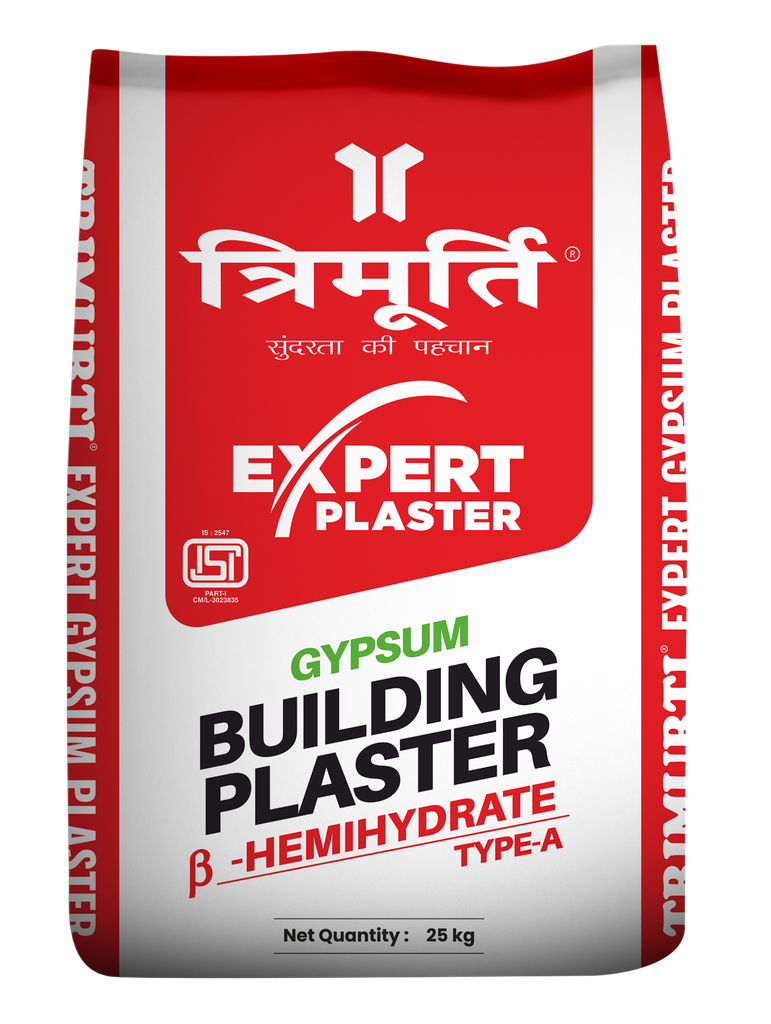
For reliable construction finishing, choose solutions designed for quality, performance, and versatility. Trimurti offers a comprehensive range of gypsum plaster solutions for interior plastering, decorative walls, ceilings, moulding, and related applications. Their range includes Premium Gypsum Plaster, expert Trimurti gypsum plaster, One Coat Gypsum Plaster, Silk Gypsum Plaster, and Quick Bond solutions. With quality-focused products, ISO and ISI certifications, and varied construction solutions, Trimurti supports professionals seeking dependable materials for modern building and decorative finishing requirements across residential and commercial projects.