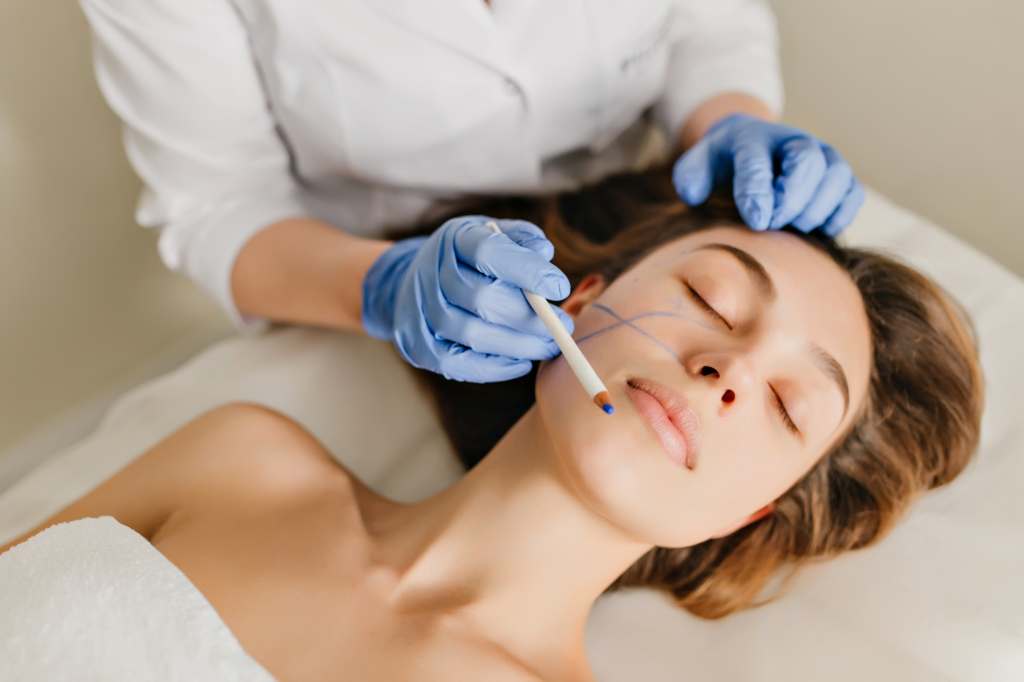
Following a series of four sessions of PRP hair treatment, it is common practice for patients to switch to maintenance treatments every four to six months in order to keep the growth factors active in the scalp and to prevent new hair loss.
Key Takeaways:
- Consolidate Results: The initial 4-session series of PRP builds growth with routine top-ups every 4 to 6 months to preserve density.
- Monitor Changes: Keep track of shedding patterns to signal when your schedule might need fine-tuning.
- Stay Connected: Maintain ongoing check-ins with your dermatologist to adapt the treatment to your scalp’s needs.
You finished your 4-session hair PRP series. Now what?
The maintenance phase is where your results get protected. Skip it, and follicles that were just starting to recover can slip back into shedding mode.
This guide breaks down exactly what happens next.
What to Expect During PRP Maintenance After Your Initial 4-Session Series
PRP hair treatment (PRP capillaire) remains appropriate for you long-term, depending on factors such as-
- Your type of alopecia
- Your age
- How you respond to treatment
Therefore, regular assessment by a dermatologist specializing in hair loss can help determine the right approach.
It is advisable to continue with maintenance PRP after completing your core treatment, as it will aid in maintaining the results achieved.
Let us understand how-
How Maintenance Matters After Your Initial Series
PRP hair treatment (PRP capillaire) works by activating dormant follicles with your own concentrated platelets. That activation is not permanent on its own.
- Hair growth cycles reset every few months.
- Without top-up sessions, follicle stimulation gradually fades.
- Maintenance treatments lock in gains from your initial 4 sessions.
Think of the first series as the repair phase. Maintenance is the retention phase.
What is a Typical Maintenance Timeline?
While the timing varies from person to person, a typical maintenance plan follows this timeline-
| Phase | Frequency | Purpose |
| Initial series | Every 4-6 weeks (4 sessions) | Build platelet concentration in the scalp |
| Maintenance | Every 4-6 months | Sustain follicle activity and density |
| Long-term check-ins | Annually or as advised | Track density and adjust protocol |
Table: Maintenance Timeline After PRP Series
Your exact schedule depends on your rate of hair loss, age, and how your scalp responded to the first series.
What Actually Happens in a Maintenance Session
Nothing changes about the core process. It is still the same three-step method-
- Blood draw: a small sample taken from your arm.
- Centrifugation: spun down to isolate platelet-rich plasma.
- Scalp injection: plasma delivered directly to thinning zones.
Sessions typically run under an hour. No downtime. No surgical recovery.
What are the Signs Your Maintenance Routine Is Working?
As your maintenance treatments continue, you may notice gradual changes in shedding, hair texture, and overall scalp coverage-
- Less shedding when washing or brushing.
- New, finer “baby hairs” along the part line.
- Existing strands feel thicker.
- Overall scalp coverage looks denser under normal lighting.
Results build gradually. PRP is not an overnight fix. It is a biological process tied to your natural hair cycle.
What are the Signs You Might Need to Adjust Your Schedule?
Your maintenance treatment may need to be modified if your hair loss frequency changes or if your treatment does not produce any further results. You may observe some signs and symptoms for that.
Here are some signs you need to consider-
- Shedding picks up again before your next scheduled session.
- Density plateaus rather than improving.
- New patches of thinning appear in different areas.
Any of these are worth flagging with your dermatologist. Maintenance intervals are not one-size-fits-all.
Stopping treatment can allow results to gradually decline over time because hair PRP does not permanently change your hair biology and instead supports existing follicles. Therefore, maintenance of hair by PRP may need to continue even after your hair starts looking fuller.
Most patients experience only mild discomfort during maintenance sessions, similar to the initial treatment series, and a topical numbing option may be available if needed.
Depending on your hair-loss condition and treatment response, a dermatologist may also recommend combining hair PRP maintenance with other treatments, such as LED therapy or mesotherapy.
Why Dermatologist Oversight Matters for Maintenance
PRP hair treatment (PRP capillaire) is a medical procedure, not a cosmetic add-on. Maintenance decisions, including frequency, technique, and whether to combine therapies, should be guided by a specialist trained in diagnosing hair loss conditions, not just administering injections.
A clinic led by a board-certified dermatologist can:
- Distinguish between alopecia types before adjusting your protocol.
- Recommend combination therapy (PRP with LED and PRP with mesotherapy) when a single treatment stalls.
- Catch early signs of a different underlying condition mimicking normal shedding.
This is the difference between generic injections and a maintenance plan built around your actual scalp biology.
The Bottom Line
Your four-session program took care of the majority of the work. What continues the positive effects is maintenance. Follow the routine of maintaining your treatments every four to six months, take note of when shedding occurs, and stay in touch with your dermatologist.
Ready To Safeguard Your Hair Restoration Results?
Consult a qualified hair loss specialist to design a customized maintenance plan tailored to your scalp’s unique needs. Stay proactive with regular evaluations and top-up sessions to sustain long-term density, maintain follicle health, and keep your hair growing strong year after year.