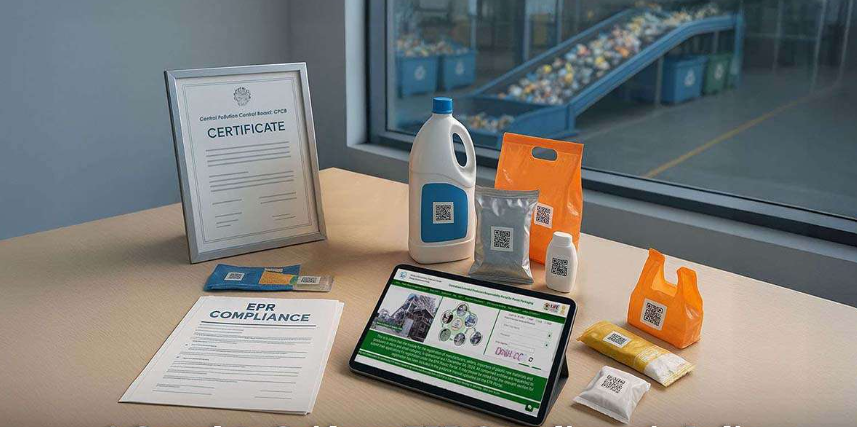
EPR compliance enables brands to reduce their plastic footprint by incentivising them to be responsible for post-consumer plastic waste while also promoting better packaging design and generating increased recycling and recovery rates.
Due to growing pressure from regulators, investors, and ever more environmentally aware consumers, companies are now expected to stop passing the responsibility for plastic disposal onto others. Around the world, governments are cracking down on plastic waste, legislating that manufacturers, importers, and brand owners take on greater responsibility. In this scenario, EPR compliance has moved beyond a statutory obligation to become a strategic imperative that affects sustainability performance, operational resilience, and brand reputation.
What is Plastic Footprint in the Brand Value Chain?
The plastic footprint of a brand refers to the entire lifetime of plastic brought forward by a brand through its value chain, from packaging design to post-consumer waste. Packaging is the single biggest element of this footprint for many FMCG and retail brands.
Single-use plastics, low recycling rates, and material usage efficiency increase environmental impact. Packaging going into a landfill or nature occurs when the end-of-life recovery scenario is not factored into its design. As a result, reducing plastic footprint is not simply a manufacturing problem; it is a lifecycle responsibility that brands will need to proactively address.
What is EPR Compliance, and Why is it Important?
Extended Producer Responsibility (EPR) is a policy that requires companies to manage the recycling, collection, or recovery of the plastic they put on the market. Compliance with Extended Producer Responsibility is applicable to producers, brand holders, importers, and e-commerce platforms selling packaged products.
It consists of essential elements such as registration with regulatory authorities, achieving annual recovery targets, providing accurate reports, and verifying recycling efforts. They are designed to ensure that plastic waste is managed in a more systematic manner than simply being disposed of in an informal or ineffective manner. This compliance brings a level of accountability and transparency through the packaging lifecycle for the brands.
Shifting Responsibility from Waste to Design
An important consequence of EPR compliance is that it turns the waste-disposal process into something more like responsible design. Having brands responsible for post-consumer packaging makes them want or need to change the way things are packaged in the first place.
It finds its way into lightweighting, process layer reduction, mono-material formats, and recyclability optimisation, to name a few. Major design decisions contribute to eliminating unnecessary plastic from the start and to recycling more efficiently in the long term.
Thus, EPR compliance not only encourages sustainable packaging practices but also brings about a long-term reduction of plastic footprint by ensuring that sustainability in packaging choices is a part of the sustainability conversation rather than a footnote that follows plastic waste.
Increasing the Collection and Recycling Rates
EPR compliance sets measurable objectives for plastic-waste collection and recycling, and can catalyse dramatic advances in recovery. To ensure that an equivalent amount of plastic waste that is being put into the market is collected in a responsible treatment process, brands must move from voluntary or fragmented practices.
In short, these ambitious goals ensure that plastic stays out of the landfill and doesn’t leak into our ecosystems.
Working with certified recyclers and licensed recovery systems can ensure traceability and compliance with regulations. Therefore, it changes waste management from a street-level activity into a formal system with processes and responsibilities.
Minimising Reliance on Newly Sourced Virgin Plastic Raw Materials
Another major advantage of adherence to EPR is promoting the use of recycled plastic. With better recovery systems in place, there is a greater volume of high-quality, recycled material that becomes accessible for diverse packaging uses.
Made from recycled content, brands using such materials cut down on the fossil fuel-based virgin plastic. It also minimises carbon footprint, supports limited abstracting of materials, and strengthens the supply chain.
Today, many top brands are using recycled plastics, not just to comply but also to strive for greater sustainability and climate objectives.
EPR Aligns with Circular Economy Priorities
EPR compliance is the foundation of the circular economy, where we keep materials in use for as long as possible. EPR facilitates closed-loop systems as it ensures that plastic packaging is collected, recycled, and fed into production again.
Such circular models provide an eco-friendly yet financially sound package. Access to secondary raw material, reduction of waste disposal cost, and engagement with national and global circular economy strategies for brands. This transforms a linear, one-time-use material into a circular, reusable resource in the long run.
Increasing Brand Status and Trust
Brands are being put under the microscope by consumers to become more environmentally responsible. In essence, EPR compliance validation demonstrates that a company is putting its money where it is moving towards sustainability.
By offering transparent reporting and verified recovery metrics, brand credibility is amplified, and the risk of greenwashing or deceptive marketing tactics is reduced. Confident, clear communication about either compliance effort benefits brands by creating deeper trust, loyalty, and material differentiation for the long haul.
Challenges With EPR Compliance and How Brands Address Them
EPR compliance has not been without its challenges. The biggest challenges include inaccurate data, coordination with the supply chain, cost, and staying compliant with changing regulations. Most of these complexities can become challenging for an in-house team to manage without staff augmentation or similar strategies.
Brands need to have a proper compliance framework to track their progress and partner with recyclers that have been around the block and EPR experts. Long-term reduction of a plastic footprint and readiness for regulations demand scalable systems, reliable data management, and trusted partners.
Conclusion
A brand’s entire value chain highlights the development of in-house packaging, through selecting materials that can be readapted and recovered in waste, which only occurs through EPR compliance, thereby minimising the plastic footprint. Apart from regulatory compliance, it enables organisations to meet their sustainability goals, enhance ESG ratings, and be a step ahead in a socially friendly market.
Together with the right partners, like Banyan Nation, an expert recycler that supports brands by offering effective recycling and compliance solutions, businesses can turn regulatory requirements into a real environmental impact. As plastic regulations continue to develop, this compliance will remain a long-term infrastructure for sustainable brand growth and responsible plastic management.