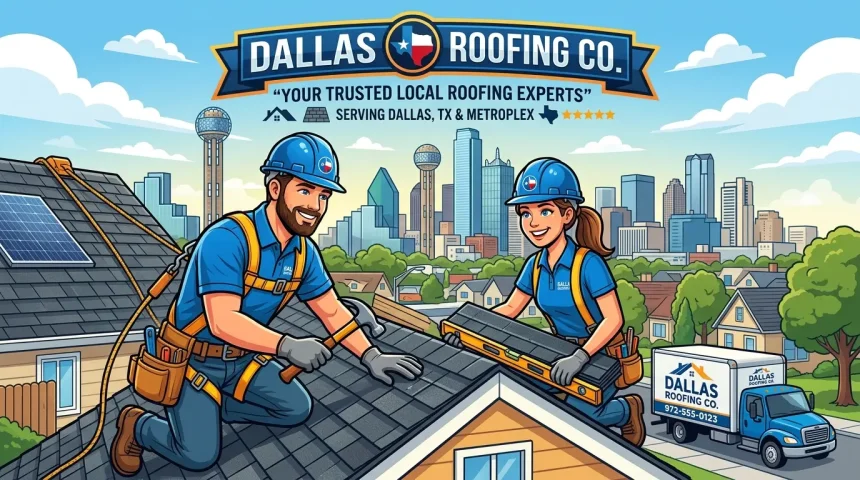
A roof does far more than complete the look of a home. It protects against severe weather, supports energy efficiency, and helps preserve the long-term value of the property. In a city like Dallas, where heat, wind, hail, and sudden storms are common, choosing the right roofing contractor becomes especially important.
Many homeowners wait until there is visible damage before paying attention to their roof. Unfortunately, by that point, small problems may have already turned into expensive repairs. Understanding what to look for in a roofing professional, what questions to ask, and how to plan ahead can help homeowners avoid unnecessary stress and costs.
Why Dallas Homes Face Unique Roofing Challenges
Dallas weather can be unpredictable throughout the year. Hot summers expose roofing materials to prolonged UV rays, while spring storms often bring heavy rain, hail, and strong winds. These changing conditions place significant strain on residential roofing systems.
Over time, shingles may crack, curl, or loosen. Flashing around vents and chimneys can deteriorate, and even minor leaks may lead to water damage inside the home. Roof maintenance is not just about appearance—it plays a major role in protecting the structure itself.
Because of these conditions, homeowners in the area benefit from working with contractors who understand local weather patterns and common roofing concerns. Materials, installation methods, and inspection practices should all reflect the demands of the regional climate.
Signs It May Be Time for Roof Repair or Replacement
Many roofing problems start subtly. Homeowners may overlook early warning signs because there is no immediate leak or visible collapse. However, recognizing the indicators early can help prevent more extensive repairs later.
Here are some common signs that a roof may need professional attention:
- Missing or damaged shingles
- Dark streaks or discoloration
- Sagging roof sections
- Water stains on ceilings or walls
- Granules collecting in gutters
- Increased energy bills
- Moss or algae growth
- Visible hail or storm damage
Even if a roof appears stable from the ground, hidden damage may still exist underneath the surface. Scheduling periodic inspections can help identify issues before they worsen.
The Importance of Routine Roof Inspections
One of the most effective ways to extend the life of a roof is through regular inspections. Many homeowners only call a contractor after a major storm, but preventative evaluations can uncover weaknesses long before emergencies occur.
A professional inspection often includes:
Exterior Assessment
Contractors typically examine shingles, flashing, vents, gutters, and drainage systems for signs of wear or storm damage.
Interior Review
Attics and ceilings may reveal hidden leaks, poor ventilation, or insulation problems that affect the roofing system.
Structural Evaluation
Roof decking, support systems, and drainage patterns are assessed to ensure the structure remains sound.
Routine maintenance can also improve energy efficiency. Poor ventilation and damaged roofing materials may force HVAC systems to work harder, increasing monthly utility costs.
Questions to Ask Before Hiring a Roofing Contractor
Hiring a roofing company is a significant decision, especially when major repairs or replacement are involved. Homeowners should take time to evaluate contractors carefully rather than choosing based solely on price.
Some important questions include:
- How long has the company worked in the Dallas area?
- Are they properly licensed and insured?
- What roofing materials do they recommend and why?
- Do they provide written estimates?
- What warranties are available for labor and materials?
- Can they explain the project timeline clearly?
- How do they handle storm-related repairs or insurance claims?
A reputable contractor should communicate clearly, answer questions thoroughly, and provide realistic expectations about the project.
For homeowners researching local contractors,roofing company serving Dallas TX can provide additional context about roofing services commonly offered in the area.
Choosing the Right Roofing Materials
Not all roofing materials perform equally under Texas weather conditions. The best choice often depends on budget, aesthetic preferences, and long-term durability goals.
Asphalt Shingles
Asphalt shingles remain one of the most common roofing options because they are affordable, versatile, and relatively easy to install. Many modern shingles are also designed to withstand higher wind speeds and impact damage.
Metal Roofing
Metal roofs are becoming increasingly popular due to their longevity and energy efficiency. They reflect sunlight effectively and often require less maintenance over time.
Tile Roofing
Tile roofs offer strong durability and visual appeal, though they may require additional structural support because of their weight.
Impact-Resistant Materials
Given the frequency of hailstorms in North Texas, some homeowners choose impact-resistant shingles or upgraded materials designed to reduce storm-related damage.
A knowledgeable roofing contractor can help homeowners compare the advantages and limitations of each option based on their property and local climate.
Storm Damage and Insurance Considerations
Dallas homeowners are no strangers to severe weather. Hailstorms and high winds can cause sudden roofing damage that may not always be obvious immediately after the storm passes.
After a significant weather event, homeowners should inspect their property safely from the ground and document any visible concerns. Missing shingles, dented gutters, debris accumulation, and leaks should be addressed promptly.
Working with experienced roofing professionals may also help simplify the insurance claims process. Contractors familiar with storm restoration often understand how to document damage properly and explain repair recommendations clearly.
That said, homeowners should always review policy details carefully and communicate directly with their insurance provider regarding coverage decisions.
Preventative Maintenance Can Save Money Long-Term
One of the biggest misconceptions about roofing is that maintenance is unnecessary until problems become severe. In reality, preventative care often costs far less than emergency repairs or full roof replacement.
Simple maintenance practices can make a meaningful difference:
- Cleaning gutters regularly
- Removing tree debris from the roof
- Checking attic ventilation
- Scheduling inspections after storms
- Addressing minor leaks immediately
- Trimming overhanging branches
These proactive steps can help extend roof lifespan while reducing the likelihood of water intrusion and structural damage.
Final Thoughts
A reliable roof contributes to safety, comfort, and long-term property value. In a climate like Dallas, where roofs regularly face intense heat and seasonal storms, homeowners benefit from staying proactive about inspections, maintenance, and repairs.
Choosing a qualified roofing contractor involves more than comparing prices. Experience, communication, material knowledge, and familiarity with local weather conditions all play important roles in achieving a durable result.
Whether a homeowner needs a simple inspection, storm damage assessment, or a complete replacement, understanding the basics of roofing care can make the process far less overwhelming. Taking the time to research contractors carefully and maintain the roof consistently can help protect the home for years to come.