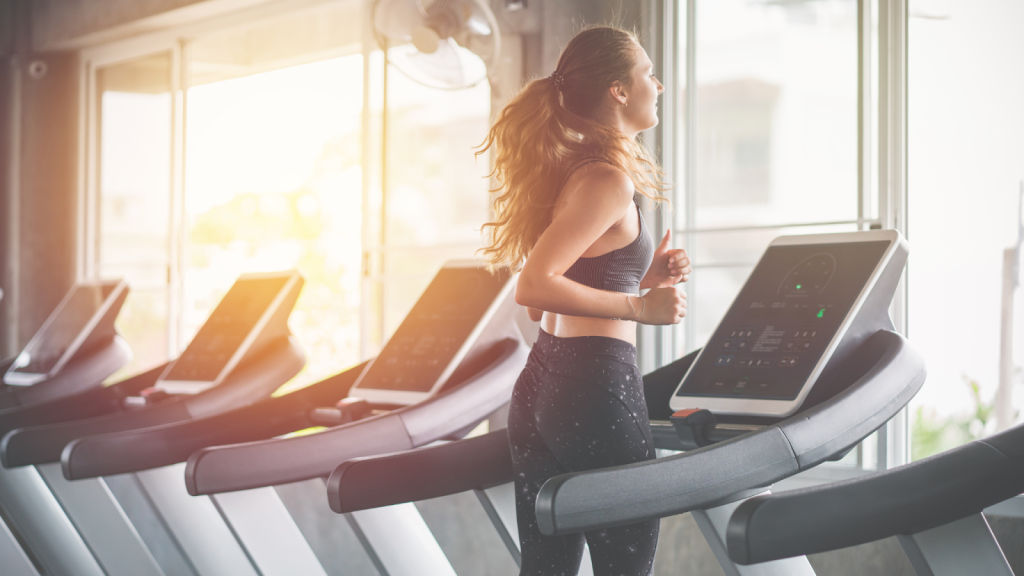
Let me paint you a picture. You’re a busy woman, work piling up, kids demanding attention, a calendar that somehow keeps filling itself, and somewhere in the middle of all that noise, you’re thinking: I just want to feel stronger. Not perfect. Not runway-ready. Just stronger, healthier, more like yourself.
That’s a real, valid place to start. And honestly? It’s exactly where an online fitness coach can meet you. You don’t need a gym. You don’t need a two-hour window in your day. With virtual personal training, a solid beginner fitness plan, and someone in your corner who actually gets your life started, it can feel genuinely doable. The CDC found that 46.3% of adults aren’t hitting guidelines for either aerobic or muscle-strengthening activity. You’re not behind. You’re in good company.
Find a Coach Who Actually Fits You
Your space is ready. Your confidence is growing. Now comes arguably the biggest decision in this whole process: choosing the right online fitness coach.
Match the Format to How You Actually Work
Options range from live one-on-one virtual personal training to app-based programs, hybrid coaching, group formats, and follow-along video plans. For most beginners, app-based or hybrid models hit the sweet spot, structured enough to provide direction, flexible enough to avoid overwhelm.
What to Look For (and What to Walk Away From)
Solid certifications, real experience working with beginners or women specifically, and genuine curiosity about your health history, those are green flags. Walk away from coaches promising dramatic transformations in unrealistic timeframes, skipping intake questions, or offering cookie-cutter programming with zero personalization.
Programs designed with women in mind go a level deeper. Online fitness coaching for women at Fit Fiona J, for example, factors in hormonal fluctuations, menstrual cycle phases, pelvic floor health, and body image elements that a generic plan simply doesn’t account for.
Worth noting: according to the Health & Fitness Association, nearly one in four gym members 22.6% worked with a personal trainer in 2024. Guided training isn’t a niche anymore. It’s mainstream. And for good reason.
Set Up Your Space So Starting Feels Easy
Intention alone doesn’t build habits. But a thoughtfully arranged corner of your home? That actually does something. When your body knows where to go and what to do, resistance drops dramatically.
The Equipment You Actually Need
Not much, I promise. A mat, a resistance band, a pair of light dumbbells (or water bottles if you’re improvising, no shame in it), and decent shoes. That’s it. Low-impact, quiet options work beautifully if you’ve got thin walls, sleeping kids, or limited floor space.
Make a Designated Workout Corner
Even a small, dedicated spot signals your brain: this is where we move. Good lighting, a water bottle within reach, a playlist that gets you going, these small details build a ritual before you even realize it’s happening.
Tech Setup for Virtual Personal Training
You need very little here. A stable internet connection, a phone stand, and decent lighting. Seriously, that’s the whole list. Short video clips of your movements give your online fitness coach real data to work with: your form, your range of motion, and any compensations you might not notice. That feedback loop alone is worth it for injury prevention early on.
Build a Beginner Fitness Plan That Actually Grows With You
A smart beginner fitness plan isn’t designed to push you to your edge; it’s designed to build something consistent and durable, week after week.
Core Principles Worth Knowing
Target two to three strength sessions weekly, two to three low-impact movement days, and some kind of light daily activity, even a ten-minute walk counts. Get familiar with Rate of Perceived Exertion (RPE): on a scale of one to ten, how hard does this feel? Beginners generally should hover around five or six. Always warm up, always cool down, especially without direct supervision nearby.
Sample 4-Week Beginner Fitness Plan with Online Guidance
Week 1: Ten to fifteen-minute full-body sessions, two to three times weekly, plus daily walks.
Weeks 2–3: Twenty to twenty-five minute sessions three times weekly, with light intervals added to walks.
Week 4: Twenty-five to thirty-minute sessions, introducing basic balance and core challenges.
Moves like sit-to-stands, wall push-ups, glute bridges, and bird dogs are fantastic starting points, low risk, high reward. Your coach can then adjust reps, rest periods, and intensity based on your progress videos and honest weekly check-ins.
Stay Accountable Without Making It Feel Like a Chore
Great nutrition lays the foundation. But sustaining your online fitness journey long-term? That lives in your mental and emotional systems just as much as your physical ones.
Layer Your Accountability
Don’t rely on willpower alone. Nobody’s willpower is that reliable. Stack your support instead: your coach, a workout buddy, a simple habit tracker, weekly check-ins. Non-food rewards work surprisingly well, too. New leggings. A favorite playlist. Twenty minutes of uninterrupted solo time. Real motivation.
What to Do When Motivation Disappears
It will disappear. That’s not a warning, it’s just a fact. On those days, lean into the “minimum dose” rule: five to ten minutes of movement still counts. It often leads to more. And when you miss a workout, treat it as data, not failure. Guilt is genuinely one of the least effective motivators in existence. Curious what got in the way, and how I can adjust? works so much better.
Your Questions, Answered Honestly
How do you start online fitness training?
Choose your device, platform, and coaching format. Confirm you’ve got the basics: a mat, bands, and light weights. Then connect with a coach who can walk you through your first few sessions safely.
Do I actually need equipment for a beginner fitness plan at home?
Truly, not much. A mat and resistance bands handle most beginner routines. Water bottles and a sturdy chair fill in the gaps when dumbbells aren’t around.
How quickly will I see results?
Most women notice improved energy and better sleep within two to three weeks. Strength gains and visible body composition changes typically show up between weeks six and twelve, depending heavily on consistency, sleep quality, and nutrition.
What if video coaching makes me uncomfortable?
That’s really common, and no good coach will pressure you. Practice off-camera first. Introduce video when and only when you’re ready.
Final Thoughts
You don’t need a packed gym, a pristine schedule, or even a huge equipment budget to start your fitness journey. You need a real “why,” a plan that respects your current life, and the right person in your corner.
Whether you’re brand new or returning after a long break, virtual personal training paired with a thoughtful beginner fitness plan can make the whole process feel not just manageable but something you actually look forward to. The best moment to take that first step? It’s right now. Not Monday. Now.