Ski boots are very important for how well you ski and how comfortable you feel. If ski boots don’t fit well or aren’t taken care of, they can cause problems with how well you control your skis, how comfortable you feel, and how safe you are. In this post, we will explain the five common mistakes people make with ski boots and give you simple solutions so you can ski longer, safer, and more comfortably.
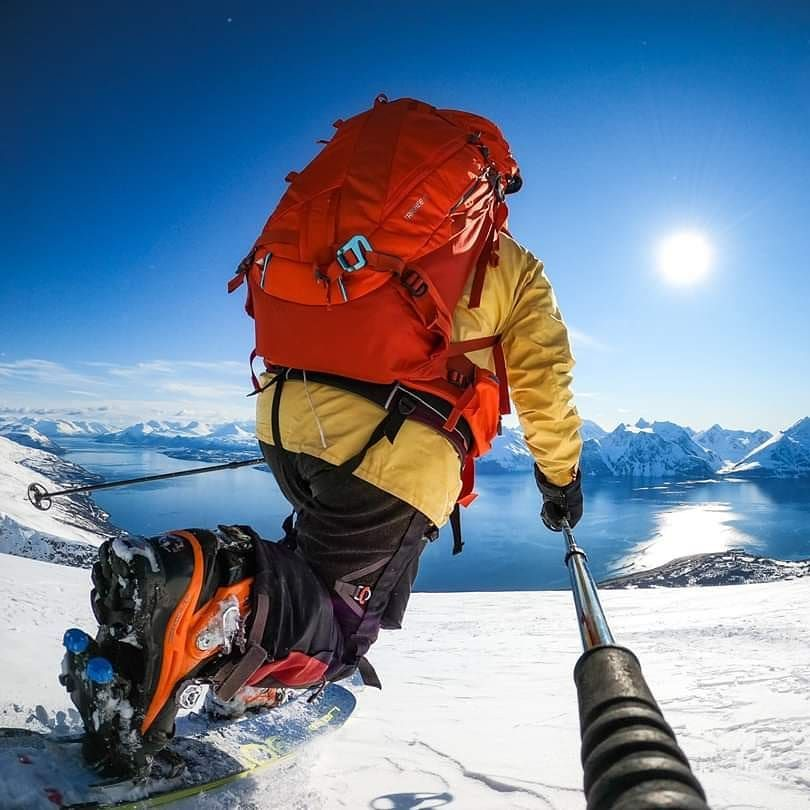
5 Common Mistakes To Avoid While Using Ski Boots
- Picking the Wrong Fit
One of the biggest mistakes skiers make is using boots that don’t fit well. Ski boots in Canada that are too tight can squeeze your toes, make them feel numb, or cause blisters.
Boots that are too loose can let your heel rise up when you turn, making it harder to stay steady and in control. Wearing ski boots that don’t fit your feet can make you tired, and cause injuries like shin splints or twisted ankles, especially during long days or on tough ground.
Solution:
- Go to a trusted ski store to get your foot size, width, and arch height checked
- Wear the ski socks you usually wear when trying on boots to make sure they fit well
- Think about using heat-moldable liners that adjust to your foot shape to help reduce pressure points
- Not Setting the Flex Right
The flex of a ski boot shows how much it bends forward. If you use a boot with the wrong flex, it can affect how well you ski. Beginners often choose boots that are too hard, which makes it tough to bend their knees and soak up bumps, causing tiredness.
Experienced skiers might pick boots that are too soft, which can make it harder to control their movements and turns when skiing fast. Wearing boots that are not the right flexibility can change how you ski, lead to muscle pain, and make it hard to turn smoothly.
Solution:
- Pick boots that match your weight and how good you are at skiing
- Change the micro-settings on your boots if you can, to make them more comfortable
- While standing, check that the boot can bend easily without feeling wobbly
- Not Paying Attention to Custom Footbeds
Many skiers use standard liners or insoles, but these usually don’t support the arches and heels well. Without good support for your feet, you might feel fatigue in the middle of your foot, have painful spots, and lose energy while moving.
The foot can slide around in the boot, making it hard to control edges and turn accurately. As time goes on, this pain gets worse, especially during long skiing days or on tough trails, making it hard to perform well and enjoy the experience.
Solution:
- Use special foot inserts or orthotics made by a professional to help your feet stay aligned and supported
- Warm up the liners so they fit the shape of your feet, getting rid of any pressure spots
- Check your feet for any new sore spots or pain, and change the footbeds if necessary
- Tightening Buckles and Straps Too Much
Many skiers make their buckles too tight, thinking it helps them steer better, while others keep them too loose. Tightening shoes too much can squeeze your toes, cut off blood flow, and make it hard to move your ankles.
On the other hand, not tightening enough can cause your heel to lift and make you unstable. If the buckles are not set right, it can make you uncomfortable and hard to balance.
Solution:
- Loosely buckle the straps at first, then tighten them little by little until they feel snug but not too tight
- Change the cuff strap so it helps your shin but still lets you move forward easily
- Tighten the buckles on your mid-foot and toes to keep your heel in place and allow for good blood flow
- Ignoring Regular Boot Care
Even good ski boots in Canada don’t work well if you don’t take care of them. Not drying and checking your boots can cause a bad smell, damaged insides, broken buckles, and worn-out bottoms.
Worn-out boots make skiing uncomfortable, harder to control, wear out faster, and can cause more pain and safety issues. Ignoring it for a long time can result in costly fixes or needing to replace them that could have been prevented with basic care.
Solution:
- Take out the liners and dry your boots well after each skiing session
- Check shells, buckles, and soles before the season starts to find any damage early
- Wash your liners and shells often with gentle soap or special products for boots to stop bad smells
Conclusion
Ski boots are very important for being comfortable, having control, and staying safe while skiing. By staying away from typical errors like wearing the wrong size, using the wrong flex, not having custom footbeds, using buckles incorrectly, and forgetting to take care of your gear, you can greatly improve your skiing experience. Well-fitted and well-kept boots help you be more accurate, feel less tired, and avoid injuries.