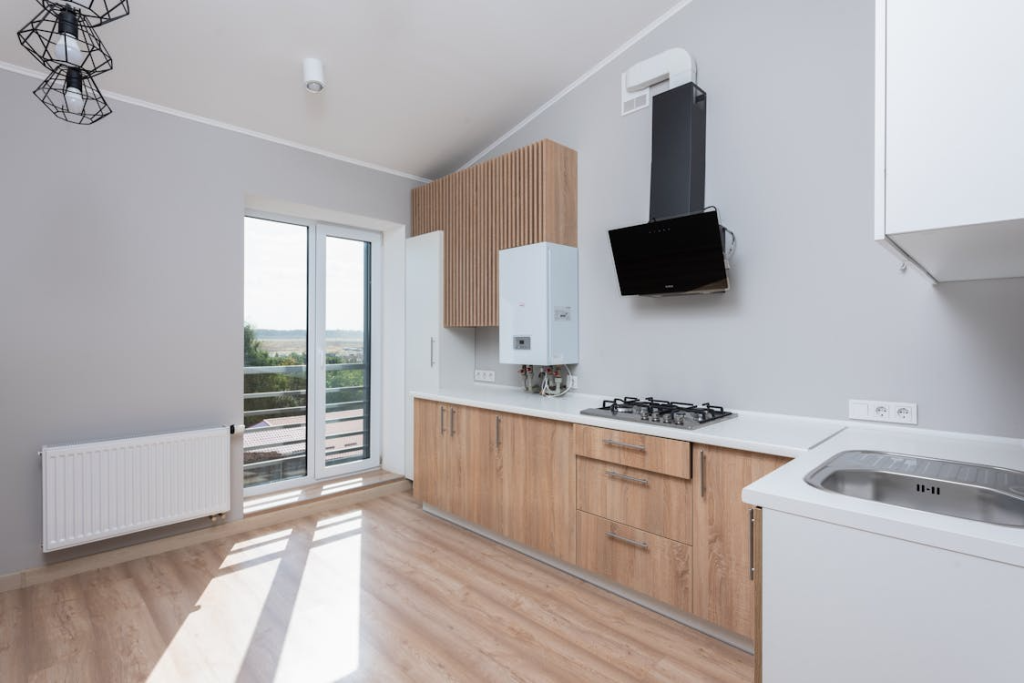
In hot climates, keeping a home cool can be one of the biggest contributors to high electricity bills. Air conditioners often run for hours every day to maintain comfortable indoor temperatures. While cooling systems are important, many homeowners overlook a simple and effective solution that can help reduce energy use: proper ventilation.
Good ventilation allows fresh air to circulate throughout the home, helping to remove heat and maintain a comfortable indoor environment. When airflow improves, homes rely less on air conditioning, which can help lower electricity consumption.
In this article, we’ll explore how ventilation works, why it’s important in hot climates, and how simple improvements can help reduce electricity bills.
What Is Ventilation?
Ventilation refers to the movement of air through a building, allowing fresh outdoor air to enter while removing warm or stale indoor air.
There are two main types of ventilation:
Natural Ventilation
This type of ventilation relies on natural airflow created by windows, doors, and outdoor breezes.
Mechanical Ventilation
This involves devices such as fans, exhaust systems, and ventilation units that help move air through a home.
Both types can play an important role in maintaining comfortable indoor temperatures, especially in warm regions.
Why Ventilation Matters in Hot Climates
In hot climates, indoor spaces can trap heat during the day. Without proper airflow, this heat builds up inside the house, making rooms feel uncomfortable and forcing air conditioners to work harder.
Ventilation helps solve this problem by:
- Allowing hot air to escape
- Bringing cooler air inside
- Reducing humidity levels
- Improving overall comfort
When homes stay cooler naturally, cooling systems don’t need to run as frequently, which can reduce electricity consumption.
How Airflow Removes Heat
Hot air naturally rises. Without ventilation, this warm air becomes trapped near ceilings and upper areas of a home.
Proper ventilation creates pathways for hot air to exit while cooler air enters.
For example:
- Opening windows on opposite sides of a home can create cross-ventilation.
- Roof vents allow warm air to escape from attics.
- Exhaust fans remove warm air from kitchens and bathrooms.
These airflow patterns help maintain a more balanced indoor temperature.
The Role of Cross-Ventilation
Cross-ventilation is one of the most effective natural cooling techniques.
It occurs when air flows through a home from one opening to another—such as from a window on one side of the house to another window on the opposite side.
This continuous airflow helps push warm air out while bringing cooler air inside.
Benefits of cross-ventilation include:
- Improved air circulation
- Reduced indoor temperatures
- Lower reliance on air conditioning
Homes designed with windows and openings positioned for cross-ventilation often stay cooler naturally.
Attic Ventilation and Cooling Efficiency
Attics can become extremely hot during the summer, sometimes reaching temperatures above 120°F (49°C).
If attic heat becomes trapped, it can spread downward into living spaces, making indoor rooms warmer.
Attic ventilation systems help release this trapped heat through:
- Ridge vents
- Soffit vents
- Attic fans
By allowing hot air to escape from the attic, these systems reduce the amount of heat transferred into the home.
This helps cooling systems operate more efficiently.
Ceiling Fans and Air Movement
Ceiling fans are another simple way to improve airflow.
Although fans do not actually lower room temperature, they create air movement that helps people feel cooler by evaporating moisture from the skin.
Because of this cooling effect, many homeowners can raise the thermostat setting slightly when using fans.
Even a 2–4 degree increase in thermostat settings can reduce electricity use from air conditioning systems.
Ventilation and Humidity Control
Hot climates often come with high humidity levels. Excess humidity can make indoor spaces feel warmer than they actually are.
Ventilation helps remove moist air and replace it with drier air from outside.
Lower humidity improves comfort and allows cooling systems to work more efficiently.
Exhaust fans in kitchens and bathrooms are especially useful for removing moisture produced by cooking or showering.
Smart Ventilation Habits for Homeowners
Improving ventilation doesn’t always require expensive upgrades. Many homeowners can improve airflow with simple daily habits.
Open Windows During Cooler Hours
Opening windows in the early morning or evening can bring cooler air into the home.
Use Exhaust Fans
Running exhaust fans while cooking or showering helps remove heat and humidity.
Keep Interior Doors Open
Allowing air to move freely between rooms improves circulation.
Use Window Shades
Closing curtains or blinds during the hottest part of the day reduces heat gain.
Maintain Air Vents
Make sure ventilation openings and air vents are clean and unobstructed.
These small steps can make a noticeable difference in indoor comfort.
Combining Ventilation With Energy Planning
Ventilation is one piece of the puzzle when it comes to managing electricity costs in hot climates.
Households often combine energy-efficient cooling strategies with careful energy planning. In some areas, residents review electricity providers or pricing options to better understand their energy costs.
For example, researching regional pricing like hebbronville electricity rates may help homeowners understand how electricity pricing affects their cooling expenses.
When ventilation improvements are combined with smart energy planning, households can often manage electricity costs more effectively.
Frequently Asked Questions (FAQs)
Does ventilation really reduce electricity bills?
Yes. Proper ventilation helps remove heat and improve airflow, which can reduce the amount of time air conditioning systems need to run.
What is cross-ventilation?
Cross-ventilation occurs when air flows through a home from one opening to another, such as from a window on one side of the house to another window on the opposite side.
Do ceiling fans lower room temperature?
Fans don’t lower the actual temperature, but they create airflow that makes people feel cooler.
How does attic ventilation help cooling?
Attic ventilation allows hot air to escape from the attic, preventing heat from spreading into the living areas of the home.
Should windows be opened during the day in hot climates?
It’s usually better to open windows during cooler times of day, such as early morning or evening.
Can ventilation replace air conditioning?
In very hot climates, ventilation may not fully replace air conditioning, but it can reduce how often cooling systems need to run.
Final Thoughts
In hot climates, keeping homes cool often leads to higher electricity bills due to frequent air conditioning use. However, proper ventilation can help reduce this energy demand by improving airflow and removing trapped heat.
Simple strategies—such as cross-ventilation, attic vents, ceiling fans, and smart window use—can make homes feel more comfortable without relying solely on mechanical cooling.
By combining ventilation improvements with thoughtful energy habits, homeowners can create cooler living spaces while using less electricity. Over time, these small changes can contribute to noticeable savings and a more energy-efficient home.