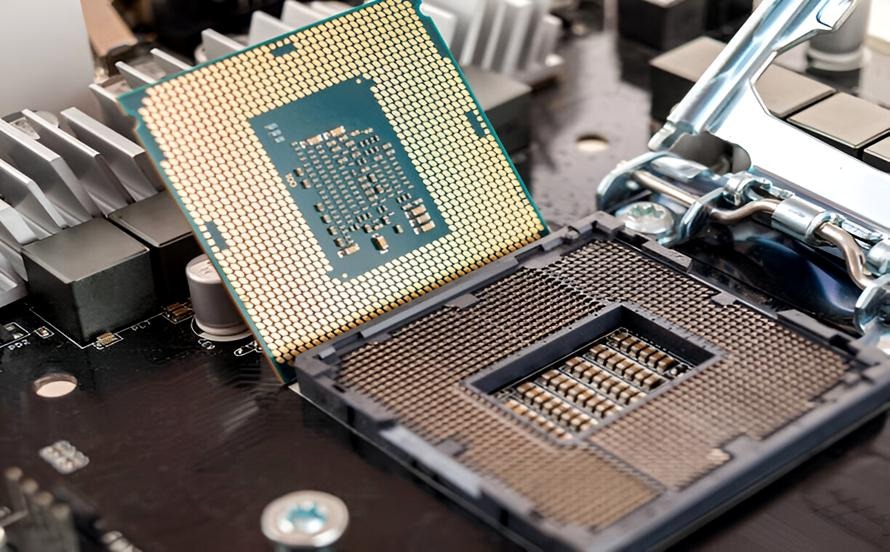
Electronic devices are often exposed to challenging environmental conditions that can significantly reduce their performance and lifespan. Moisture, dust, chemicals, salt spray, humidity, vibration, and extreme temperatures can all damage printed circuit boards, leading to corrosion, electrical leakage, and premature component failure. As electronic products become increasingly compact and are deployed in harsher operating environments, manufacturers must adopt effective protection methods that ensure long-term reliability. One of the most widely used solutions is Conformal Coating.
Conformal coating is a thin protective polymer film applied directly to assembled printed circuit boards (PCBAs). The coating conforms closely to the shape of the components and circuitry, creating a protective barrier against environmental contaminants while maintaining the electrical functionality of the board. It is widely used in industries such as automotive, aerospace, medical, telecommunications, industrial automation, defense, and consumer electronics.
Applying conformal coating requires specialized equipment, controlled processes, and careful inspection. Choosing a professional Conformal Coating service ensures consistent coating quality, reliable protection, and compliance with industry standards.
This article explains what conformal coating is, how it is applied, its advantages, applications, and why selecting an experienced service provider is essential for high-reliability electronic products.
What Is Conformal Coating?
Conformal Coating is a thin, non-conductive protective layer applied to the surface of an assembled printed circuit board. The coating follows the contours of the board, covering solder joints, conductive traces, and electronic components while leaving designated connectors and test points uncoated where necessary.
The primary purpose of conformal coating is to protect sensitive electronic assemblies from environmental damage. By creating a barrier against moisture, dust, chemicals, and airborne contaminants, the coating helps prevent corrosion, oxidation, and electrical failures that may occur during long-term operation.
Several coating materials are available, including acrylic, silicone, polyurethane, epoxy, and parylene. Each material offers different characteristics depending on the application’s operating temperature, chemical exposure, flexibility requirements, and environmental conditions.
The selection of coating material depends on the specific reliability requirements of the electronic product.
Why Conformal Coating Is Important
Electronic assemblies often operate in environments that expose them to conditions capable of degrading performance over time. Humidity can cause corrosion, airborne contaminants may create conductive paths between traces, and chemicals can damage exposed solder joints.
Conformal Coating significantly improves the reliability of electronic assemblies by isolating conductive surfaces from these environmental hazards. The protective layer minimizes corrosion while reducing the risk of electrical leakage and short circuits caused by condensation or contamination.
The coating also provides mechanical protection by reducing stress on solder joints during vibration and thermal cycling. In applications involving repeated temperature changes, conformal coating helps improve long-term durability by minimizing moisture penetration and protecting exposed metal surfaces.
As electronic products continue to be used outdoors, inside vehicles, industrial facilities, medical equipment, and aerospace systems, conformal coating has become an essential part of modern electronics manufacturing.
The Conformal Coating Process
The conformal coating process begins after PCB assembly and functional testing have been completed. Before coating is applied, every circuit board undergoes thorough cleaning to remove flux residues, oils, dust, and other contaminants that could interfere with coating adhesion.
Once the board is clean, areas that should remain free from coating, such as connectors, switches, grounding points, and test pads, are carefully masked. Depending on production requirements, the coating may be applied using manual spraying, automated selective coating equipment, dipping, or brushing.
After application, the coating is allowed to cure according to the manufacturer’s specifications. Some materials cure at room temperature, while others require controlled heating or ultraviolet light exposure to achieve full mechanical strength and chemical resistance.
Following curing, every coated assembly is inspected under normal and ultraviolet lighting to verify coating coverage, thickness, adhesion, and overall quality before final product testing.
Proper process control during each stage ensures reliable protection without affecting electrical performance.
Advantages of Conformal Coating
One of the most significant advantages of Conformal Coating is improved protection against moisture and humidity. The protective layer prevents water from reaching conductive surfaces, reducing corrosion and electrical leakage that may otherwise damage sensitive electronic circuits.
The coating also protects against dust, dirt, salt spray, industrial chemicals, and airborne contaminants that could compromise long-term product reliability.
Another important benefit is increased resistance to temperature fluctuations. By protecting solder joints and exposed conductors, conformal coating reduces the effects of thermal expansion and contraction during repeated operating cycles.
Mechanical durability is also improved because the coating helps support small components while reducing vibration-related stress on solder joints.
These protective characteristics contribute to longer product life, lower maintenance costs, improved reliability, and fewer field failures across demanding operating environments.
Applications of Conformal Coating
Conformal coating is widely used throughout the electronics industry wherever environmental protection is essential. Automotive manufacturers apply conformal coating to engine control units, battery management systems, lighting controllers, electric vehicle electronics, sensors, and advanced driver assistance systems exposed to vibration, humidity, and temperature extremes.
Aerospace and defense systems utilize coated circuit boards in avionics, communication equipment, navigation systems, radar electronics, satellites, and unmanned aerial vehicles that operate under highly demanding environmental conditions.
Medical equipment manufacturers depend on conformal coating to protect patient monitoring devices, diagnostic instruments, portable healthcare equipment, laboratory electronics, and surgical systems where long-term reliability is critical.
Industrial automation systems use conformal coating in programmable logic controllers, motor drives, robotics, factory automation equipment, and process control electronics exposed to dust, moisture, and chemical contaminants.
Telecommunications infrastructure, renewable energy systems, marine electronics, railway equipment, security systems, and outdoor electronic devices also benefit from the additional protection provided by conformal coating.
Why Choosing a Professional Conformal Coating Service Matters
Applying conformal coating requires far more than simply spraying a protective material onto a circuit board. An experienced Conformal Coating service understands coating chemistry, surface preparation, masking techniques, curing requirements, and inspection procedures necessary to achieve reliable results.
Professional service providers evaluate each electronic assembly to determine the most appropriate coating material based on operating temperature, environmental exposure, flexibility requirements, and regulatory standards.
Modern coating facilities use automated selective coating systems, precision spray equipment, controlled curing processes, and advanced inspection technologies to ensure consistent coating thickness and complete coverage.
Experienced technicians also carefully protect connectors, switches, heat sinks, and electrical contact points that must remain free from coating, reducing the risk of assembly defects or functional issues.
Working with a professional service provider improves manufacturing consistency while ensuring long-term environmental protection for sensitive electronic assemblies.
Quality Assurance in Conformal Coating
Quality assurance plays a critical role in conformal coating because insufficient coverage can leave circuit boards vulnerable to environmental damage, while excessive coating may interfere with component operation or future repairs.
Manufacturers inspect PCB cleanliness before coating to ensure proper adhesion. During application, coating thickness, coverage, and process parameters are carefully monitored to maintain consistent quality.
After curing, ultraviolet inspection systems help verify complete coverage while identifying bubbles, voids, cracks, or missed areas. Additional evaluations may include adhesion testing, coating thickness measurement, humidity resistance testing, thermal cycling, salt spray testing, insulation resistance testing, and environmental reliability assessments.
Leading service providers follow internationally recognized standards such as IPC-CC-830 for conformal coating qualification, IPC-A-610 for electronic assembly acceptance, ISO 9001 quality management systems, and RoHS compliance. These standards help ensure that coated electronic assemblies deliver consistent long-term performance in demanding applications.
Conclusion
Conformal Coating has become an essential process for protecting modern electronic assemblies against moisture, dust, chemicals, temperature fluctuations, vibration, and other environmental hazards. By extending product lifespan and improving reliability, conformal coating supports the performance of electronic systems used in automotive, aerospace, medical, industrial, telecommunications, renewable energy, and consumer applications.
Choosing a professional Conformal Coating service ensures that coatings are applied using the correct materials, precise application methods, and rigorous quality control procedures. As electronic products continue to operate in increasingly challenging environments, conformal coating will remain one of the most effective solutions for enhancing PCB reliability, reducing maintenance costs, and ensuring long-term electronic performance.