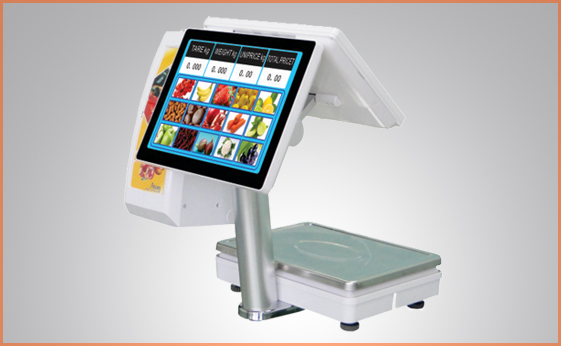
Manufacturing efficiency depends on accurate measurements, consistent material handling, and well-coordinated production activities. Even minor weighing errors can lead to wasted resources, delayed processes, and inconsistent product quality. Automated weighing systems help businesses manage these challenges by connecting measurement equipment with production machinery and control systems.
A weighing machine can capture readings, regulate material quantities, and support faster decisions throughout manufacturing operations. By reducing repetitive manual tasks and improving process monitoring, automated weighing technology helps facilities maintain smoother workflows, control operating costs, and achieve more reliable production results.
Faster Material Handling
Manual weighing often requires an employee to load material, read a value, record it, and communicate the result before the next task can begin. These repeated steps consume time. Automated systems capture readings as materials move through hoppers, conveyors, tanks, or filling stations. A controller can then start the next operation when the target quantity is reached.
This coordination reduces waiting between stages. Operators spend less time transferring figures and more time monitoring equipment, checking quality, and resolving exceptions.
More Consistent Batching and Mixing
Food, chemical, fertilizer, polymer, and feed products depend on carefully measured ingredients. Small variations can affect the final mixture. Automated batching systems use weight signals to control how much material enters a mixer or production vessel.
A programmed sequence can release ingredients in a defined order and stop each feed when its target is reached. This reduces reliance on repeated manual checks and supports more consistent batches. Recorded values help teams review process limits, reduce rejected batches, avoid rework, and conserve raw materials.
Improved Filling and Packaging Accuracy
Filling lines must deliver the intended quantity. Overfilling increases costs, while underfilling can cause products to fail quality or regulatory checks. Automated filling controls use weight measurements to stop dispensing at a selected target.
The same principle applies to bagging systems and check weighers. A check weigher can assess packages as they move along a line and identify units outside an acceptable range. Staff can investigate variations, adjust settings, or remove affected items before dispatch, reducing extensive end-of-line sorting.
Better Control of High-Volume Loads
Facilities that handle bulk ingredients, aggregates, liquids, metals, or large packaged goods need equipment suited to demanding loads. Selecting a high capacity weighing scale in UAE operations requires attention to the maximum load, platform dimensions, working environment, frequency of use, and required accuracy. Capacity should match the materials and handling method.
When suitable load cells and indicators are integrated with automated controls, businesses can monitor heavy loads during receiving, storage, transfer, and dispatch. Weighbridges handle vehicle weighing, while hopper and tank systems measure materials in production equipment. Reliable readings support inventory planning and quantity reconciliation.
Real-Time Monitoring and Production Visibility
Automation makes weight information available while a process is happening. Connected indicators, programmable logic controllers, and supervisory systems can display readings, operating status, alarms, and process trends. Supervisors can track hopper filling, batch targets, and conveyor feed rates.
Alerts can prompt operators to investigate readings outside set ranges. Historical records may reveal stoppages, inconsistent feed rates, or unusual material consumption. Reports help managers compare shifts, find bottlenecks, and plan evidence-based improvements.
Reduced Waste and Better Resource Use
Accurate measurement helps manage ingredients, packaging, energy, and labor. Automated dosing limits excess material, while controlled filling reduces giveaway and helps identify losses.
The benefits extend beyond material savings. When a line needs fewer manual corrections, employees can use their time more effectively. When equipment communicates through a coordinated control system, production stages can operate with fewer interruptions.
A well-designed setup makes planning more predictable. Trusted measurements help operators schedule replenishment, estimate batch completion, and coordinate packaging with fewer last-minute adjustments. This connects material availability with finished output, helping facilities use equipment and staff effectively throughout each operating day and respond to changing demand across shifts more effectively.
Supporting Quality and Traceability
Consistent production requires more than a finished product that looks correct. Businesses may need evidence that ingredients and packages met weight requirements. Suitable systems can store readings, batch details, timestamps, and status information.
Records can support audits and process reviews. Their value depends on correct installation, trained operators, clear exception procedures, calibration, and planned maintenance.
These records make it easier to investigate a quality concern, compare production runs, and identify where a deviation occurred. Measurement data is most useful when equipment is correctly installed, operators understand the system, and procedures define how exceptions should be handled. Calibration and planned maintenance help preserve confidence in the readings over time.
Integration With Plant Automation
Weighing equipment can work alongside other production technologies instead of operating as an isolated instrument. Programmable logic controllers can coordinate motors, valves, conveyors, feeders, and weighing devices. Human-machine interface screens allow operators to view process information and adjust authorized settings, while supervisory control and data acquisition systems can provide broader monitoring.
A connected design can support automated filling, blending, bagging, belt weighing, silo management, and unmanned vehicle weighing. Configuration depends on process needs, safety, material characteristics, and reporting. Poor integration can create confusing alarms, unreliable signals, and downtime.
Choosing a System Around the Process
Before investing in automation, businesses should map the tasks they want to improve. They should consider material flow, target throughput, load range, accuracy requirements, cleaning conditions, available floor space, data connections, and future expansion. A site assessment can identify whether the process needs a bench scale, floor scale, weighbridge, tank load cells, or integrated batching controls.
The equipment should be compatible with existing machinery and easy for employees to operate. Clear displays, suitable interfaces, service support, and reporting ease adoption. Testing before launch reveals issues and helps establish procedures.
Conclusion
Automated weighing supports more efficient production by connecting accurate measurement with material handling, batching, filling, monitoring, and quality control. It can reduce manual tasks, limit waste, improve consistency, and give managers clearer information for operational decisions. Results depend on selecting suitable equipment, integrating it carefully, and maintaining its performance. A dependable weighing machine therefore becomes an important part of a productive, controlled manufacturing operation.
With extensive industry experience and a commitment to reliable weighing solutions, Universal Scales supports industrial operations with weighing equipment, automated process control, batching, filling, bagging, and plant automation solutions. Their services also include equipment supply, customized platform and weighbridge manufacturing, calibration, repair, maintenance, technical support, and operator training, helping businesses maintain dependable measurement and more efficient production workflows across diverse industries.