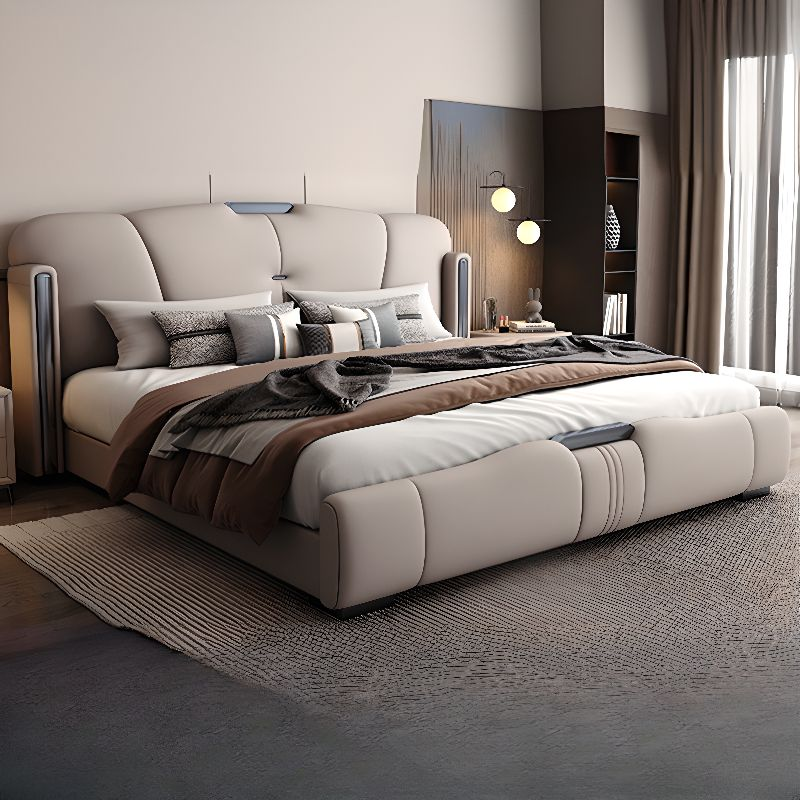
A comfortable home begins with furniture that supports everyday activities while expressing the homeowner’s personal taste. From relaxing after work to welcoming guests, each piece influences how a room looks and feels. Choosing high end furniture can bring together thoughtful design, supportive construction, attractive materials, and practical features.
The goal is not simply to fill a room with expensive pieces. It is to create a balanced environment where comfort, functionality, and visual appeal work together. Understanding how to select furniture helps homeowners make decisions that suit their spaces and lifestyles.
1. Comfort Starts with the Right Furniture
Comfort should guide furniture choices as much as appearance. Sofas need suitable seat depth, supportive cushioning, and a shape that accommodates the people using them. Lounge chairs and recliners can create dedicated places to read, relax, or enjoy entertainment. Beds should provide an appropriate sleeping surface and fit comfortably within the bedroom.
Before purchasing, consider who will use each item and how frequently. A family living room may need generous seating and durable upholstery, while a smaller sitting area may benefit from compact furniture. Trying available seating, checking dimensions, and reviewing product details can help buyers understand whether a design will meet their needs.
2. Quality Materials Improve Everyday Use
Materials influence furniture’s appearance, comfort, maintenance, and lifespan. Upholstery introduces color and texture, while wooden elements and other finishes contribute character to an interior. Cushioning and internal construction also affect how seating feels during regular use.
The right material depends on the room and household routine. Homes with children or pets may benefit from surfaces that are easier to clean. A formal lounge may accommodate richer textures when owners are comfortable with their care requirements. Buyers should ask about material specifications, cleaning instructions, and construction rather than judging quality by appearance alone. Proper maintenance can also help preserve furniture’s condition over time.
3. Plan a Living Room That Feels Open
The living room often serves several purposes, including conversation, relaxation, family activities, and entertainment. Furniture placement should support these uses without restricting movement. Start by measuring the room, doorways, windows, and access routes. Map the positions of major items before deciding on sizes and layouts.
A sofa can anchor the seating arrangement, while chairs or ottomans provide additional places to sit. Leave enough space to move between furniture and keep frequently used areas accessible. Consider how natural light, rugs, tables, and lighting fixtures interact with the arrangement. A carefully planned layout can make even a modest room feel more organized and welcoming.
4. Choose Sofa Designs for Your Space
Sofas have a strong influence on living room style because they often occupy a central position. A standard sofa set can create a familiar seating arrangement, while an L-shaped sofa may make better use of a corner or define an open-plan area. Corner sofas can offer additional seating, but their dimensions should be checked against the available floor space.
Design details also matter. Upholstery color, arm shape, leg style, and cushioning can influence the room’s overall character. Neutral shades may work with changing accessories, while a distinctive fabric can become a focal point. When comparing living room furniture in Bangalore, consider room measurements, household needs, design preferences, and delivery access before selecting a sofa.
5. Use Customization to Reflect Personal Taste
Ready-made furniture does not always match a room’s exact dimensions or the homeowner’s preferences. Customization can provide an opportunity to discuss suitable sizes, upholstery, finishes, and design details. It is particularly useful when a room has unusual proportions or when customers want new furniture to coordinate with existing interiors.
Prepare measurements and reference images before a design discussion. Explain how the furniture will be used, how many people it should accommodate, and which practical features matter most. Reviewing the proposed design and material choices before production can help align expectations and reduce the chance of unsuitable selections.
6. Combine Style with Practical Function
Furniture should contribute to the appearance of a room while serving a clear purpose. Sofa-cum-beds can provide an additional sleeping option for guests, making them useful in compact homes. Recliners offer adjustable comfort, while lounge chairs can create a separate reading or relaxation spot. Ottomans and puffs can provide flexible seating or serve as convenient footrests.
Choose multifunctional pieces according to genuine needs rather than adding features that may rarely be used. Check how each item opens, moves, or fits into the layout. Maintaining clear pathways and avoiding unnecessary furniture helps rooms remain comfortable and easy to use.
7. Extend the Same Care to Bedrooms
Bedroom furniture should support rest and make the room feel calm and organized. Select a bed that suits the room’s dimensions and leaves enough clearance for movement. Upholstered beds can introduce softness and texture, while the headboard may provide a visual feature that complements other furnishings.
For children’s rooms, consider available space, everyday usability, and changing needs. Coordinate bed designs with storage, lighting, and other essential items without overcrowding the room. Consistent colors and finishes can connect bedroom furniture with the wider home while allowing each space to retain its own character.
8. Make a Confident and Informed Purchase
Before purchasing furniture, establish a realistic budget and compare options based on quality, functionality, and design. Review product dimensions, upholstery, construction, maintenance requirements, delivery arrangements, and warranty terms. Ensure larger pieces can pass through entrances, corridors, stairways, and lifts without difficulty.
Ask questions about materials, customization, and product specifications whenever details are unclear. Taking time to evaluate these factors helps avoid unsuitable purchases. A thoughtful decision ensures that selected furniture complements your interiors, supports everyday activities, and offers lasting comfort, practicality, and visual appeal.
Conclusion
A well-furnished home brings together comfort, thoughtful layouts, suitable materials, and designs that reflect individual preferences. From supportive sofas to practical bedroom furniture, every choice can influence how a space functions and feels. Careful planning helps homeowners select high end furniture that complements modern interiors while supporting everyday living, relaxation, and lasting visual appeal.
Explore thoughtfully designed furniture solutions that combine comfort, functionality, quality craftsmanship, and contemporary appeal. The Level Furniture offers sofas, standard sofa sets, L-shaped and corner sofas, recliners, lounge chairs, sofa-cum-beds, beds, and other seating options. Their customization process allows customers to discuss preferred designs, materials, finishes, and dimensions. Explore their collections and customer support information to plan furniture choices around your home’s layout, style, and practical requirements for every home and lifestyle.