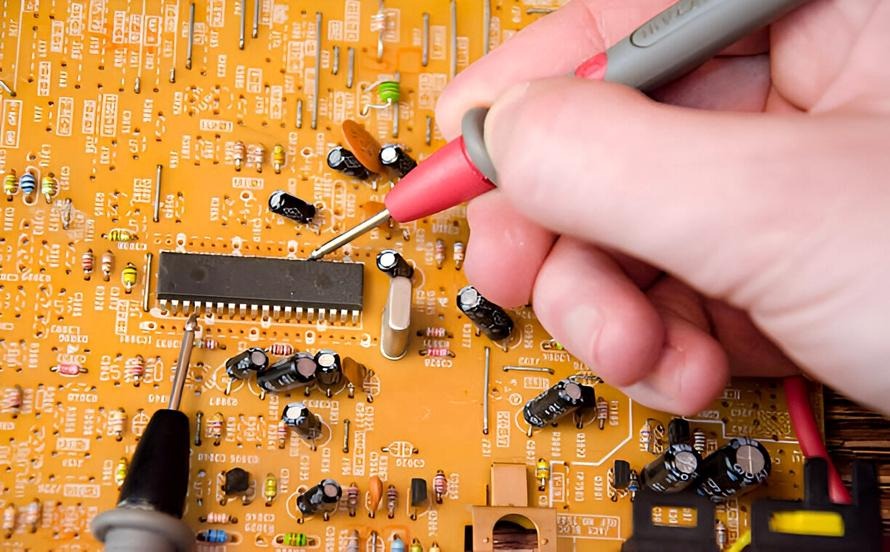
As electronic devices continue to become smaller, faster, and more powerful, the density of components on printed circuit boards has increased significantly. Modern products such as smartphones, wearable devices, medical equipment, communication systems, and industrial electronics require highly compact designs that maximize functionality within limited space. To achieve these goals, manufacturers rely on fine pitch PCB assembly, an advanced assembly process designed to handle components with extremely small lead spacing and high pin counts.
Fine pitch technology has become an essential part of modern electronics manufacturing because it supports miniaturization without compromising performance. However, assembling fine-pitch components requires specialized equipment, precise process control, and rigorous quality assurance procedures. Understanding fine pitch PCB assembly is important for engineers, product developers, and businesses seeking reliable manufacturing solutions for advanced electronic products.
What Is Fine Pitch PCB Assembly?
Fine pitch PCB assembly refers to the process of mounting and soldering electronic components that have very closely spaced leads or terminals onto a printed circuit board. In electronics manufacturing, “pitch” refers to the distance between adjacent component leads or connection points. As component pitch decreases, assembly becomes increasingly complex because the available space for soldering and inspection is significantly reduced.
Fine-pitch components typically include advanced integrated circuits such as Quad Flat Packages, Ball Grid Arrays, Chip Scale Packages, and other high-density semiconductor devices. These components allow engineers to incorporate greater functionality into smaller board areas, making them ideal for compact electronic products.
The primary objective of fine pitch PCB assembly is to ensure accurate component placement and reliable solder connections despite the extremely small dimensions involved.
Why Fine Pitch PCB Assembly Is Important
The demand for smaller electronic products has made fine pitch PCB assembly a critical manufacturing capability. Consumers expect modern devices to be lightweight, portable, and feature-rich, requiring manufacturers to maximize circuit density while maintaining performance and reliability.
Fine-pitch technology allows designers to integrate more functionality into a smaller footprint. This capability is particularly important for applications where space is limited, such as smartphones, wearable electronics, medical implants, and aerospace systems.
In addition to supporting miniaturization, fine-pitch components often provide improved electrical performance. Shorter signal paths can enhance data transmission speeds and reduce signal interference, making these components well suited for high-frequency and high-speed electronic applications.
As technology continues to advance, fine-pitch assembly has become an essential requirement for many electronic products.
Characteristics of Fine Pitch Components
Fine-pitch components differ from conventional electronic packages primarily because of their lead spacing and connection density. Traditional through-hole and larger surface-mount components provide relatively generous spacing between connections, simplifying assembly and inspection.
Fine-pitch devices, however, may have lead spacing as small as a fraction of a millimeter. This reduced spacing increases the risk of solder bridges, alignment errors, and manufacturing defects if assembly processes are not carefully controlled.
Many fine-pitch packages also feature high pin counts, enabling advanced functionality within compact package sizes. Examples include microprocessors, memory devices, communication chips, and application-specific integrated circuits used in sophisticated electronic systems.
The combination of high density and small dimensions makes specialized assembly techniques essential for achieving reliable results.
The Fine Pitch PCB Assembly Process
The fine pitch PCB assembly process follows many of the same general principles as standard SMT assembly but requires significantly greater precision. The process begins with solder paste printing, where a carefully designed stencil deposits solder paste onto the PCB pads.
Because pad dimensions are extremely small, precise control of solder paste volume is critical. Excess solder can lead to bridging between adjacent leads, while insufficient solder may create weak connections.
Once solder paste has been applied, automated pick-and-place equipment positions the fine-pitch components onto the board. Modern placement machines use advanced vision systems and alignment technologies to ensure accurate positioning.
The assembly then passes through a reflow soldering process where carefully controlled temperature profiles melt the solder paste and form permanent electrical connections. Following soldering, inspection and testing procedures verify assembly quality and functionality.
Each stage of the process requires close monitoring to maintain consistent results.
Challenges in Fine Pitch PCB Assembly
Fine pitch PCB assembly presents several manufacturing challenges due to the miniature size of modern electronic components. One of the most common issues is solder bridging, which occurs when excess solder creates unintended electrical connections between adjacent leads.
Component alignment is another critical concern. Even slight placement errors can affect solder joint quality and electrical performance. As lead spacing decreases, the margin for error becomes increasingly small.
Inspection can also be more difficult because defects may not be visible through traditional visual examination methods. Advanced inspection technologies are often required to identify hidden or microscopic assembly issues.
Thermal management during soldering must also be carefully controlled to prevent component damage and ensure consistent solder joint formation.
Successfully addressing these challenges requires specialized equipment, skilled personnel, and optimized manufacturing processes.
Equipment Used in Fine Pitch PCB Assembly
Modern fine pitch PCB assembly relies on highly sophisticated manufacturing equipment capable of handling miniature components with exceptional accuracy.
Stencil printers designed for fine-pitch applications provide precise solder paste deposition using advanced alignment systems. These machines help maintain consistent paste volume across extremely small pads.
High-speed pick-and-place machines utilize vision-guided technology to accurately position components with micron-level precision. Advanced placement systems can automatically compensate for component variations and alignment deviations.
Reflow ovens with tightly controlled temperature profiles ensure uniform soldering while minimizing thermal stress on sensitive components.
Inspection equipment such as Automated Optical Inspection systems and X-ray imaging platforms plays a critical role in verifying assembly quality and identifying defects that may not be visible through conventional methods.
These technologies collectively support reliable fine-pitch manufacturing.
Quality Control in Fine Pitch PCB Assembly
Quality assurance is particularly important in fine pitch PCB assembly because even minor defects can impact product functionality and reliability. Manufacturers implement multiple inspection and testing procedures throughout the assembly process.
Automated Optical Inspection systems analyze component placement, solder joint quality, polarity, and alignment accuracy. These systems can detect defects quickly and consistently across large production volumes.
For packages such as Ball Grid Arrays where solder joints are hidden beneath the component body, X-ray inspection provides detailed images of internal connections. This technology helps identify voids, bridging, insufficient solder, and alignment issues.
Electrical testing procedures including In-Circuit Testing and functional testing further verify assembly integrity and product performance.
Comprehensive quality control measures are essential for maintaining high production yields and customer satisfaction.
Industries That Use Fine Pitch PCB Assembly
Fine pitch PCB assembly is widely used in industries that require compact and high-performance electronic systems. Consumer electronics manufacturers rely heavily on fine-pitch technology for smartphones, tablets, laptops, smartwatches, and other portable devices.
Medical equipment manufacturers use fine-pitch assemblies in diagnostic systems, patient monitoring devices, imaging equipment, and implantable medical products where space limitations and reliability are critical.
The telecommunications industry utilizes fine-pitch components in networking equipment, wireless communication systems, and high-speed data transmission devices.
Automotive electronics, aerospace systems, industrial automation products, and defense technologies also benefit from the advanced capabilities provided by fine-pitch assembly processes.
These industries depend on precise manufacturing to meet demanding performance and reliability requirements.
Future Trends in Fine Pitch PCB Assembly
The future of fine pitch PCB assembly is closely connected to ongoing trends in electronics miniaturization and performance enhancement. Semiconductor manufacturers continue to develop smaller and more powerful integrated circuits, increasing demand for advanced assembly capabilities.
Artificial intelligence, 5G communication systems, wearable electronics, electric vehicles, and Internet of Things devices are driving the need for increasingly compact circuit designs. These applications require higher component densities and more sophisticated manufacturing technologies.
Advancements in inspection systems, automation platforms, and process control software are helping manufacturers achieve greater precision and reliability. New materials and packaging technologies are also expanding the possibilities for next-generation electronic products.
As these innovations continue to emerge, fine-pitch assembly will remain a cornerstone of advanced electronics manufacturing.
Conclusion
Fine pitch PCB assembly plays a vital role in modern electronics manufacturing by enabling the integration of highly complex and compact components onto printed circuit boards. Through precise solder paste application, advanced component placement systems, controlled soldering processes, and rigorous quality assurance procedures, manufacturers can produce reliable assemblies that support today’s sophisticated electronic products. From consumer electronics and telecommunications equipment to medical devices, automotive systems, and aerospace technologies, fine-pitch assembly helps engineers achieve greater functionality within smaller spaces. As electronic devices continue to evolve and demand higher performance, partnering with an experienced fine pitch PCB assembly service provider becomes essential for ensuring manufacturing accuracy, product reliability, and long-term success in competitive markets.