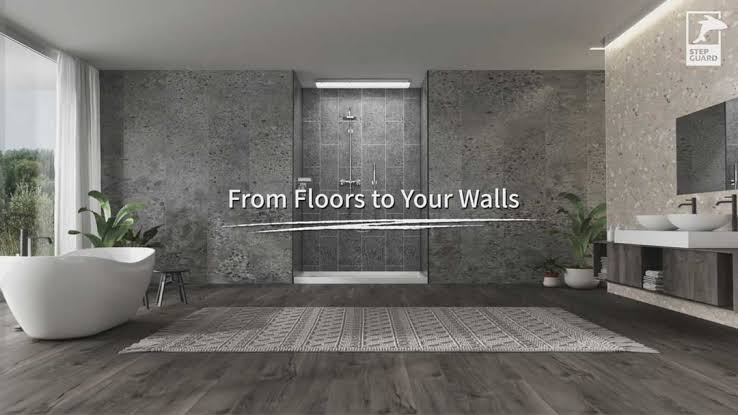
When planning a bathroom renovation, one of the first design decisions is the wall surface. Ceramic tiles have been the standard in Finnish bathrooms for decades, but wet room panels and wall boards have become a serious alternative. Each option has its strengths and weaknesses in terms of cost, durability, appearance and installation time. This guide compares the two so you can make an informed choice.
Ceramic and Porcelain Tiles
Tiles are fired clay products that are extremely hard, water-resistant and long-lasting. Porcelain tiles are denser and absorb almost no water, which makes them especially suitable for bathrooms. Tiles are installed on top of a waterproofing membrane with tile adhesive, and the joints are filled with grout.
Advantages of Tiles
- Exceptional durability and lifespan of several decades
- Huge variety of colours, sizes, textures and patterns
- Resistant to heat, making them suitable near saunas
- Easy to clean with standard bathroom cleaners
- High perceived quality, which supports resale value
Disadvantages of Tiles
- More labour-intensive and slower to install
- Grout lines require cleaning and occasional maintenance
- Higher total cost, especially with large-format or premium tiles
Wet Room Panels
Wet room panels are large wall boards with a decorative, water-resistant surface. They are made from materials such as laminate on a moisture-resistant core, PVC, composite or acrylic. Panels are typically joined with tongue-and-groove profiles or sealed joints and installed according to a certified system that includes waterproofing at joints, corners and penetrations.
Advantages of Panels
- Fast installation, often in a day or two
- Very few joints, which makes cleaning simple
- Lighter weight, suitable for structures that cannot carry heavy materials
- Often more affordable in total because of lower labour costs
- Available in tile-look, stone-look and solid colour finishes
Disadvantages of Panels
- Shorter expected lifespan than tiles
- Surfaces can scratch or dent more easily
- Limited heat resistance, so not suitable close to a sauna heater
- Damaged panels may be harder to repair locally
- Some buyers perceive them as less premium than tiles
Waterproofing Considerations
Regardless of the surface, the wet room must be watertight. With tiles, the waterproofing membrane is a separate layer under the tiles. With panels, the panel system itself often forms part of the waterproofing, together with sealed joints and special components at corners, pipe penetrations and the floor connection. In both cases, the work must be done according to a tested and certified system. The general principles of waterproofing apply to both: water must never be able to reach the structures behind.
Cost Comparison
Material prices vary widely in both categories. Budget tiles can be cheaper per square metre than panels, while premium porcelain can cost several times more. The main difference lies in labour: tiling requires more working hours and drying time, whereas panels are installed quickly. For a small bathroom, panels can reduce the total renovation cost, but for longevity and resale value, tiles usually offer better value over time.
Which One Should You Choose?
Choose tiles if you want maximum durability, design freedom and a classic, premium finish, or if the wall is close to a sauna.
Choose panels if you need a quick renovation, want to minimise grout cleaning, are renovating a rental property or have a structure that cannot carry heavy materials.
Many homeowners combine both: tiles on the floor and in the shower zone, and panels on other walls. This hybrid approach balances cost and durability.
Sustainability
Tiles are made of natural raw materials and last for decades, which gives them a good environmental profile over their life cycle. Panels require fewer materials for installation and weigh less to transport. When comparing products, ask for environmental product declarations and choose materials that are durable, since a surface that lasts longer reduces renovation waste. The Finnish Ministry of the Environment promotes low-carbon construction and material efficiency in building projects.
Get Professional Advice
The best choice depends on your bathroom’s structure, your budget and how long you plan to stay in the home. An experienced renovation team can show you samples of both options and explain how each would work in your space. In the capital, Kylpyhuoneremontti Helsinki specialists can help you compare surfaces and choose the solution that fits your needs.
Conclusion
Both tiles and wet room panels can create a beautiful, watertight bathroom when installed correctly. Tiles offer unmatched durability and design options, while panels win on speed and simplicity. Consider your priorities, ask for professional advice and choose a certified system for long-lasting results.
Frequently Asked Questions
Are wet room panels as watertight as tiles?
Yes, when they are installed according to a certified system with properly sealed joints, corners and penetrations. The installation quality matters more than the surface material itself.
Can panels be installed over old tiles?
Some systems allow it, but only if the existing structure is dry and sound. Covering old tiles without checking the condition behind them can hide moisture damage, so a moisture survey should always come first.