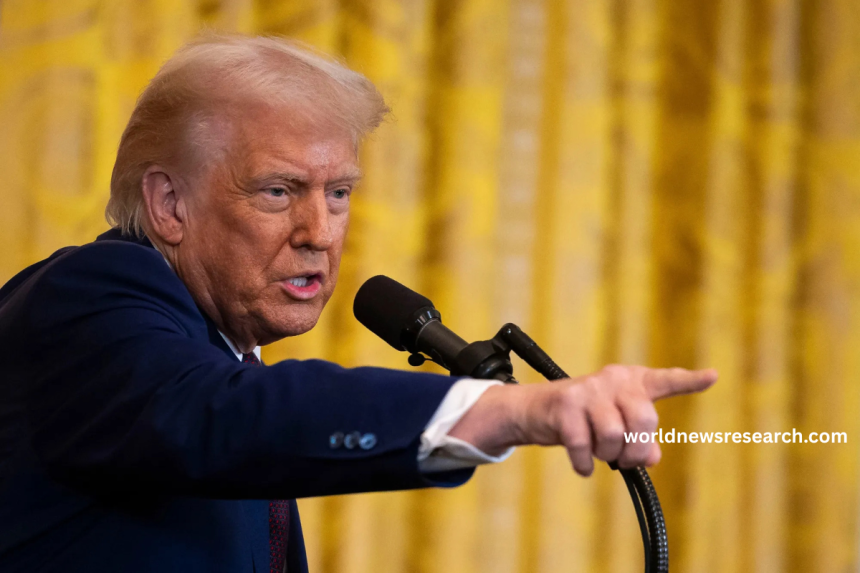
On Friday afternoon, then-President Donald Trump signed a presidential memorandum directing the U.S. Department of Energy (DOE) to consider using all lawful authority to rescind or significantly weaken existing regulations concerning water and energy efficiency for a wide range of household appliances. This action marked yet another salvo in the administration’s broader campaign to dismantle environmental and energy efficiency standards enacted under previous administrations, particularly those developed during the Obama era.
The memorandum specifically called into question regulations pertaining to dishwashers and washing machines, appliances widely used in American households. However, the scope of the action was broader, encompassing water use standards for other bathroom and kitchen fixtures such as showers, faucets, toilets, and urinals. This move culminated a week of sustained efforts by the Trump administration to unwind policies intended to promote energy conservation, environmental sustainability, and consumer savings.
Background: The Push Against Efficiency Standards
Since taking office in January 2017, the Trump administration had made regulatory rollback a cornerstone of its policy agenda. With a stated focus on promoting economic growth and eliminating what it viewed as burdensome regulations, the administration took aim at a wide range of environmental protections. These included efforts to loosen air quality standards, relax fuel economy rules, and reduce oversight of water pollution.
The effort to reverse efficiency standards is part of this broader deregulatory initiative. The administration argued that many of the existing rules led to higher upfront costs for consumers and reduced performance of appliances. In particular, President Trump often claimed—without substantial evidence—that dishwashers, showers, and other appliances were underperforming due to federal restrictions on water use.
“People are flushing toilets 10 times, 15 times, as opposed to once,” Trump said at a White House meeting. “They end up using more water. So EPA is looking at that very strongly, at my suggestion.”
This rhetoric resonated with a certain segment of consumers frustrated with newer appliance models, but it ran counter to a large body of data and research supporting the benefits of efficiency standards.
What the Presidential Memorandum Entails
The memorandum directed the DOE to review current standards with the goal of rolling back those deemed overly stringent or unnecessary. It signaled a clear directive to align federal regulations with the administration’s priorities of reducing regulatory burdens and prioritizing industry input.
The key elements of the memorandum included:
- A directive to consider rescinding regulations for dishwashers and washing machines.
- A broader instruction to reevaluate water use standards for showers, faucets, toilets, and urinals.
- A recommendation that DOE work closely with the Environmental Protection Agency (EPA) to ensure consistency in deregulation efforts.
- Language emphasizing the use of all lawful authority to carry out these changes.
This policy shift would not immediately eliminate existing rules but instead initiate a process that could lead to significant weakening of efficiency standards through regulatory reinterpretation and rulemaking.
Energy Star Program Under Threat
The same week, reports from CNN and E&E News indicated that the Trump administration was also planning a major reorganization at the EPA, which included proposals to eliminate the Energy Star program. This voluntary federal program, established in 1992, certifies products and buildings that meet specific energy efficiency criteria.
The Energy Star label has become a trusted marker for consumers, helping them identify appliances that consume less energy and water. According to the EPA, the program has saved American families and businesses over $430 billion in energy costs and reduced greenhouse gas emissions by more than 2.7 billion metric tons since its inception.
Critics viewed the proposed elimination of Energy Star as emblematic of the administration’s disregard for environmental stewardship and consumer protection. Supporters of the rollback argued that the private sector could provide similar labeling mechanisms without federal involvement.
Consumer and Environmental Impact
Efficiency standards are designed to reduce utility bills, lower greenhouse gas emissions, and conserve natural resources. Many of these rules are the result of decades of bipartisan policymaking, supported by a coalition of consumer advocates, environmental groups, and even manufacturers who benefited from the consistent national standards.
Rolling back these regulations could lead to:
- Higher energy and water bills for consumers.
- Increased greenhouse gas emissions and environmental degradation.
- Market fragmentation, as states and localities may implement their own, potentially conflicting standards.
“Efficiency standards work,” said Andrew deLaski, executive director of the Appliance Standards Awareness Project. “They cut pollution, save consumers money, and are supported by manufacturers who value certainty and consistency.”
Industry Reaction
Reactions within the appliance manufacturing sector were mixed. While some companies welcomed the potential for more flexible regulations, others expressed concern that a patchwork of state-level rules could complicate production and distribution. Many manufacturers had already invested in designing products that meet or exceed current standards and worried that sudden regulatory changes could undermine these investments.
“We’ve already made the shift to more efficient designs,” said a spokesperson for a major appliance maker. “Rolling back standards might help some smaller competitors in the short term, but it risks creating confusion and weakening the overall market.”
Legal and Legislative Hurdles
Despite the administration’s aggressive stance, rolling back established regulations is not a simple process. The DOE is bound by statutory mandates under laws like the Energy Policy and Conservation Act (EPCA), which sets minimum standards for appliance efficiency. Any changes must go through a formal rulemaking process, including public comment and economic analysis.
Legal experts predicted that significant rollbacks could be challenged in court, especially if they fail to demonstrate that new rules are technically feasible and economically justified. Environmental organizations and state attorneys general have frequently sued the Trump administration to block regulatory changes, with varying degrees of success.
Political Context and Public Perception
President Trump’s efforts to dismantle efficiency standards were part of a broader political strategy to appeal to his base by challenging federal bureaucracy and promoting deregulation. He often framed these actions as common-sense reforms aimed at helping the average American.
However, polls consistently showed strong public support for energy efficiency. A 2019 Consumer Reports survey found that 80% of Americans supported requiring appliances to meet high efficiency standards. These numbers cut across party lines, indicating that energy conservation had broad appeal.
Legacy and Long-Term Implications
While the Trump administration’s actions on efficiency standards might not have resulted in immediate policy reversals, they set the stage for prolonged regulatory uncertainty. Future administrations could either continue the deregulatory trend or work to reinstate and strengthen standards.
Under President Biden, many of the rollback efforts were reversed or halted, with a renewed emphasis on climate action and environmental protection. The Biden DOE moved swiftly to review Trump-era decisions and restore appliance standards that promote energy savings and environmental benefits.
Still, the episode highlighted the vulnerability of regulatory frameworks to political shifts and underscored the need for durable policy solutions that can withstand changing administrations.
Frequently Asked Question
What action did President Trump take regarding efficiency standards?
President Trump signed a memorandum directing the Department of Energy (DOE) to consider rescinding or weakening water and energy efficiency regulations for dishwashers, washing machines, showers, faucets, toilets, and urinals.
Why did the Trump administration want to change these standards?
The administration argued that the standards limited appliance performance and imposed higher upfront costs on consumers. Trump frequently claimed these rules made appliances inefficient, though this was not supported by research.
What is the Energy Star program, and how was it affected?
Energy Star is a voluntary EPA program that certifies energy-efficient products. Reports during Trump’s presidency suggested plans to eliminate or reorganize the program, potentially weakening its role in promoting efficiency.
Do these rollbacks save consumers money?
No. While the administration argued they would reduce costs, research shows that efficiency standards lower utility bills over time, offering long-term savings that outweigh higher initial appliance costs.
How do efficiency standards benefit the environment?
They reduce energy and water consumption, cut greenhouse gas emissions, and help conserve natural resources, all of which are crucial in fighting climate change.
Did appliance manufacturers support the rollback?
Opinions were mixed. Some smaller manufacturers supported deregulation, while many large companies, having already adapted to efficiency rules, worried about market confusion and investment losses.
Can these rollbacks be implemented immediately?
No. Changes to federal standards require a formal rulemaking process, including technical justification, public comment, and legal review. Many of Trump’s proposals faced legal and procedural obstacles.
What was the public response to the rollback efforts?
Most Americans supported maintaining or strengthening efficiency standards. A Consumer Reports survey showed about 80% of U.S. adults favored high-efficiency requirements.
Were the rollbacks reversed under President Biden?
Yes, the Biden administration reviewed and worked to reverse many Trump-era rollbacks, restoring standards that promote energy and water savings.
What is the long-term significance of these policy changes?
The rollback efforts highlighted how environmental policy can shift dramatically between administrations. They underscored the need for stable, bipartisan support to sustain long-term environmental and consumer protections.
Conclusion
The Trump administration’s move to roll back water and energy efficiency standards was emblematic of its broader deregulatory agenda. By targeting consumer protections that had long enjoyed bipartisan support, the administration sparked a national conversation about the role of government, environmental responsibility, and consumer choice.