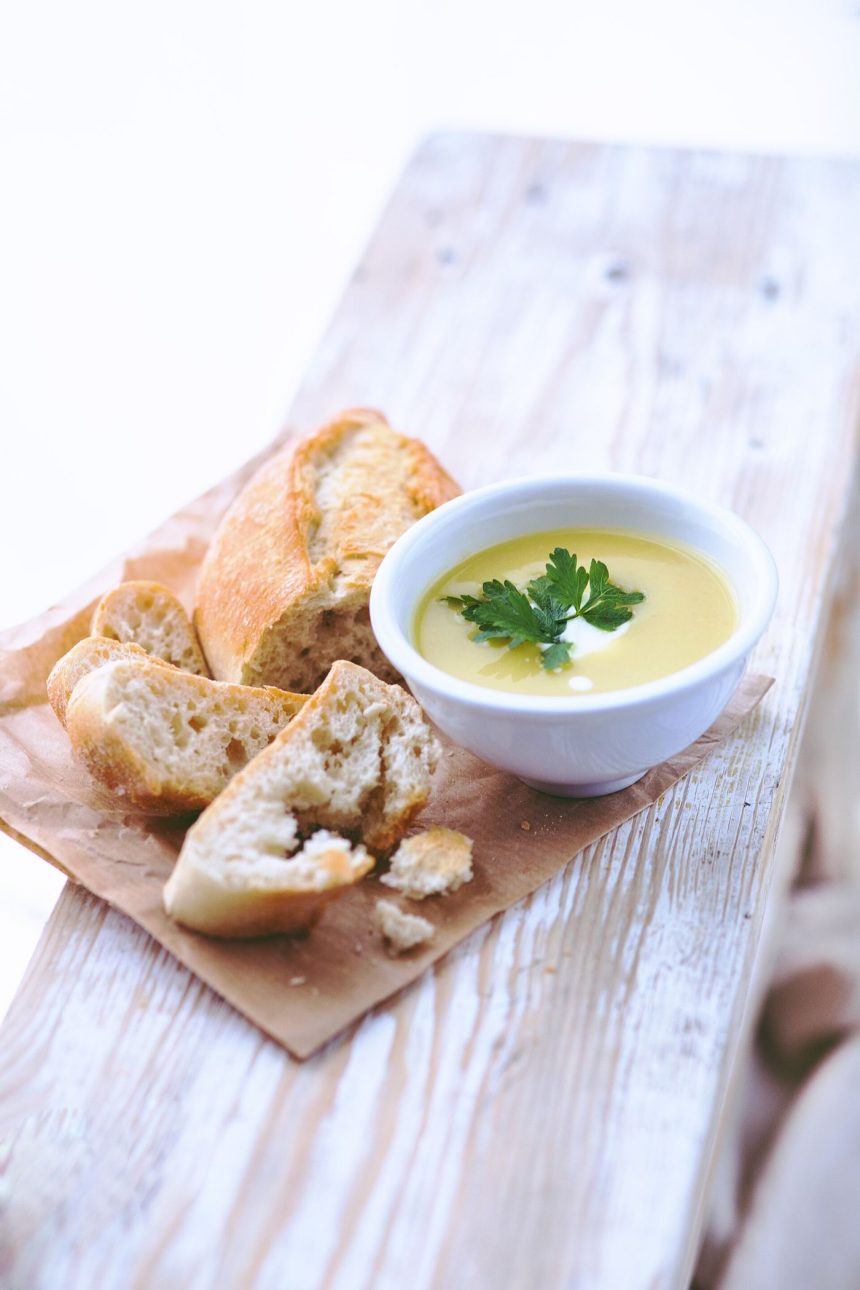
Seasonal cooking classes are teaching groups to build healthy meals around vegetables that are plentiful, cheaper and better tasting at their peak. Instead of fixed weekly recipes, instructors show how to swap ingredients based on market prices and what learners already have at home. The flexible approach helps households eat well during cost pressures without relying on expensive out-of-season produce flown in especially for families trying to balance nutrition, flavour, time and a tight weekly food budget at home.
What the Evidence Shows
Sessions cover planning a base sauce, soup or grain dish that can absorb different vegetables through the week without becoming repetitive. Storage skills feature heavily, from freezing chopped produce to reviving salad leaves and using stems and peels in stocks. Participants say cooking together makes experimentation feel safer, because a shared meal forgives imperfections and sparks ideas for using leftovers creatively and to share shopping lists, preparation jobs and washing up, making the classes social as well as practical. Reporting and analysis from sources such as The Lancet track the same developments, and specialists following seasonal budget cooking classes say the direction is now consistent across independent lines of evidence.
The Wider Context
Equity runs through every discussion of seasonal budget cooking classes. Interventions that require apps, fees or free weekday afternoons reliably reach the people who need them least, so the programmes earning praise are those designed around clinics, workplaces and community venues that already serve everyone. Evaluation reports now publish uptake by income and region as a matter of routine.
What Happens Next
The practical takeaway on seasonal budget cooking classes is deliberately unglamorous: it works best as part of ordinary, well-delivered care rather than as a standalone fix. Health services are planning on that basis, building the referral routes and follow-up that turn a promising result into population benefit. The gains arrive slowly and then, in the statistics, unmistakably. You can follow related developments in our coverage of health.
It is also worth remembering how quickly the picture in this area has changed before. Positions that looked settled a few years ago have been revised as new data arrived, and the same humility is appropriate now. The strongest coverage of this subject, and the most useful advice, tends to come from sources that update their views openly when the facts move, rather than defending an earlier position long after it has stopped fitting the evidence available.
None of this will be settled by a single announcement, study or product launch. The pattern to watch is accumulation: independent confirmations, honest reporting of failures and steady improvement in the underlying numbers. Readers who follow those signals, rather than the loudest claim of the week, will understand this subject better than most of the commentary surrounding it suggests is possible.