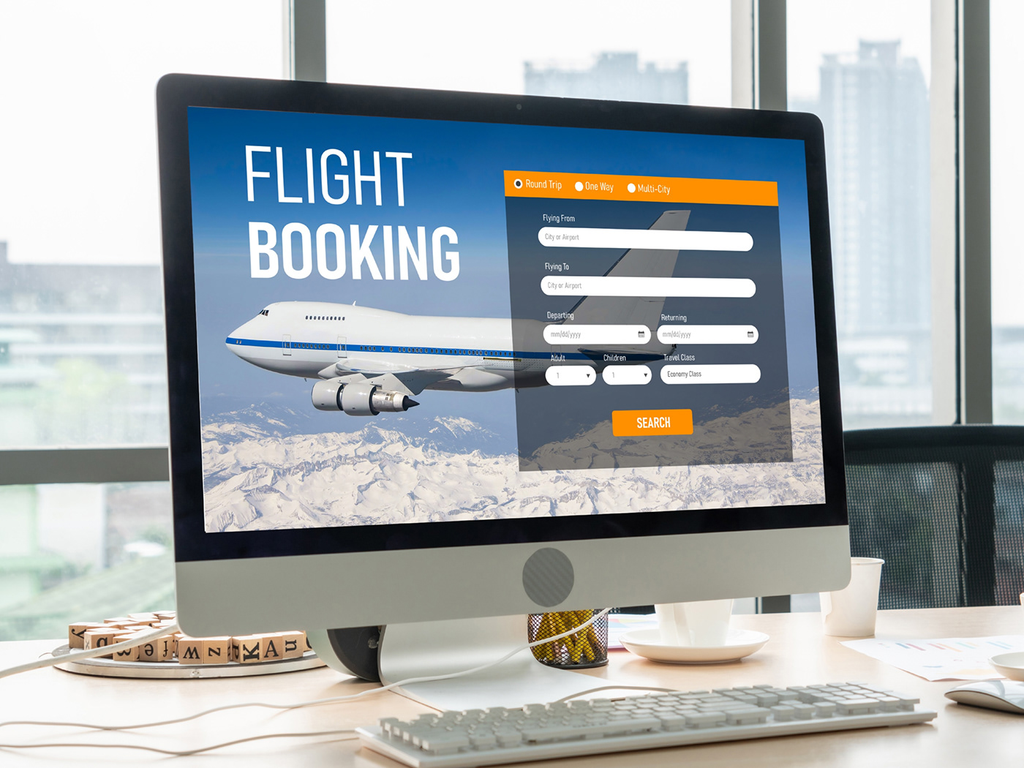
Business travel is more than getting from one city to another. It involves coordinating schedules, managing budgets, meeting professional commitments, and ensuring employees arrive prepared for important discussions. When travel arrangements are handled efficiently, companies can reduce avoidable complications and allow their teams to focus on business priorities.
From client meetings and industry conferences to multi-city assignments, well-organised travel planning plays an important role in keeping business operations on track.
Why Corporate Travel Requires Careful Planning
Unlike leisure trips, business journeys often revolve around fixed appointments and changing schedules. A delayed flight, an unsuitable connection, or an incorrectly booked ticket can disrupt meetings and create additional costs.
Planning begins with understanding the traveller’s itinerary, preferred timings, destination, baggage requirements, and any flexibility in the schedule. Companies should also consider approval procedures and internal travel policies before confirming reservations.
A consistent booking process helps employees understand what information they need to provide and who is responsible for approving expenses. It also makes it easier for administrators to monitor travel arrangements across departments.
The Value of Professional Booking Support
Managing multiple bookings can become complicated when employees travel frequently or visit several destinations during one trip. Businesses may need to coordinate flight options, fare conditions, ticket changes, cancellations, and travel documentation.
Working with a corporate flight booking agent can help organisations manage these requirements through a more structured process. Depending on the arrangement, booking support may include comparing flight options, coordinating reservations, sharing itinerary details, and assisting with changes when plans are disrupted.
Before choosing a provider, businesses should clarify the scope of support available. It is useful to understand how urgent requests are handled, whether assistance is available outside standard business hours, and which charges may apply to booking changes.
A reliable process should prioritise transparency and accurate information rather than simply selecting the lowest displayed fare.
Balancing Cost, Convenience, and Productivity
The cheapest ticket is not always the most economical option for a business. A flight with multiple connections may reduce the initial fare but increase travel time, create greater disruption risk, or require an additional overnight stay.
When evaluating options, companies should consider the total cost of the journey. This may include the ticket price, baggage charges, airport transfers, accommodation, and potential change fees.
Travel time also matters. For employees attending important meetings, a convenient arrival time may be more valuable than a small reduction in airfare. Similarly, a flexible fare may be worth considering when meeting schedules are likely to change.
Businesses can improve decision-making by establishing clear guidelines on acceptable fares, cabin classes, advance booking, and approval requirements. These policies provide consistency while allowing reasonable flexibility for urgent or unusual trips.
Building an Effective Corporate Booking Process
A straightforward booking workflow can reduce confusion and help employees travel with greater confidence.
1. Collect accurate traveller information. Confirm names as shown on identification documents, destination details, preferred dates, and any special requirements before booking.
2. Review available itineraries. Compare departure and arrival times, connections, baggage allowances, fare restrictions, and change conditions.
3. Obtain required approvals. Ensure the selected option complies with the organisation’s travel policy and budget.
4. Verify the reservation. Check passenger details, flight numbers, dates, and ticket conditions before final confirmation.
5. Share complete travel information. Provide employees with their itinerary, booking references, relevant policies, and instructions for requesting assistance.
6. Maintain records. Store booking details and expense information in accordance with the company’s internal procedures.
Following these steps can help reduce preventable errors and make travel administration easier to manage.
Managing Changes and Unexpected Disruptions
Even well-planned journeys can be affected by airline schedule changes, weather, operational delays, or last-minute business requirements. Organisations should therefore have a clear process for handling disruptions.
Travellers need to know whom to contact if a flight changes or a meeting is rescheduled. Booking records should be easy to access, and employees should understand the applicable rules for rebooking, cancellation, and refunds.
Companies should also encourage travellers to check airline notifications and verify their itinerary before departure. Keeping essential documents and contact details accessible can help reduce confusion when plans change.
For international journeys, it is important to review passport validity, visa requirements, entry conditions, and any transit documentation well in advance. Requirements vary by nationality and destination, so current official guidance should be checked before travel.
Making Travel Policies Work for Employees
An effective travel policy balances cost control with employee needs. Rules that are too restrictive may create unnecessary inconvenience, while unclear procedures can lead to inconsistent spending.
Companies should explain which expenses are covered, how bookings are approved, what happens when plans change, and how employees submit claims. Regular reviews can help identify recurring issues and reveal opportunities to improve the process.
Feedback from travellers is valuable because employees experience the practical effects of booking decisions. Their input may highlight inconvenient departure times, unclear communications, or difficulties accessing support during disruptions.
Conclusion
Efficient corporate travel depends on careful planning, transparent booking procedures, and clear support arrangements. By balancing cost, convenience, and flexibility, businesses can make journeys easier to manage and help employees stay focused on their professional objectives. SKYWINGS can be considered when exploring travel coordination options for business journeys.