Every few years, commentators declare some corner of internet culture dead, yet ASCII art quietly outlives each obituary. The practice of drawing with nothing but characters began long before the web, adapted to every technology that replaced the last, and is now enjoying a revival powered by one-click tools. Today’s online ascii generator is the latest chapter in a story that starts, improbably, with the humble typewriter.
Typewriters, teletypes and the first text pictures
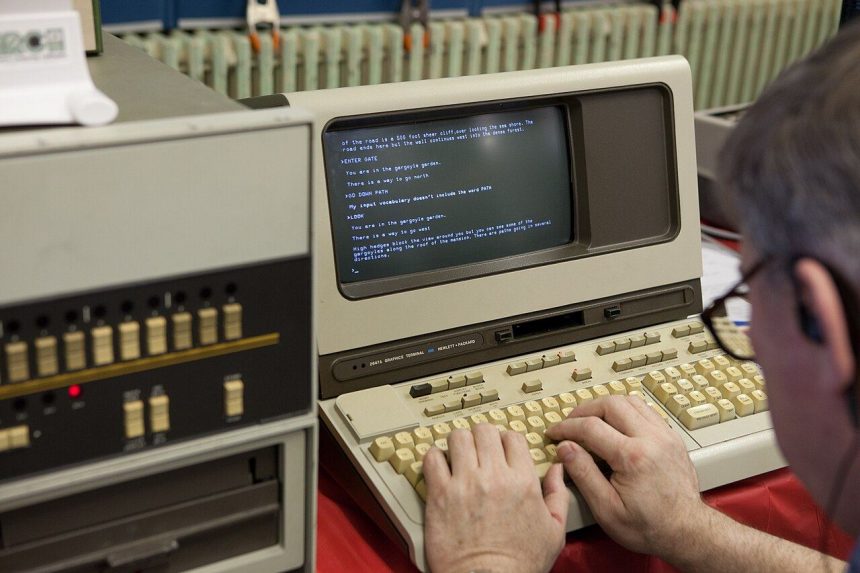
Artists were coaxing portraits out of typewriter keys in the nineteenth century, but the form truly spread with the teletype and early computer terminals. These machines printed only characters, so operators decorated messages, manuals and holiday greetings with pictures built from letters. When home computers arrived with fixed-width screens, hobbyists swapped text pictures on cassette tapes and bulletin boards, refining elaborate shading techniques with nothing more than slashes, brackets and patience.
The bulletin-board golden age
Through the 1980s and 1990s, ASCII art was the visual language of online life. It headed text files, decorated software, signed emails and announced every warez release and demo party. Skilled artists produced vast scenes, logos in dozens of lettering styles, even animations flipped frame by frame. When graphical browsers took over, the form retreated to niches: signatures, comment threads, source code, and the occasional vast artwork hidden in a game’s files. It never vanished; it simply waited in the plain-text corners of the internet.
Why it survives in the emoji era
Three qualities keep text art alive. It is universal, working in any app that shows text, on any device, at almost no data cost. It is durable, immune to broken image links and format changes that orphan old graphics. And it is charmingly constrained: like pixel art, its limits invite ingenuity, and a recognisable portrait built from punctuation still impresses precisely because it should be impossible. Developers keep it alive in terminal banners, while communities trade fresh pieces daily.
The one-click revival
Preserved in plain sight
Part of the form’s longevity is accidental archiving. Because ASCII art lives inside ordinary text files, it has been preserved inside software packages, documentation and message archives for decades, copied faithfully by every backup and migration that destroyed contemporary graphics formats. Museums of computing now collect it alongside the machines it decorated, and historians read it as folk art of the network age: unsigned, endlessly copied, and made for the pleasure of strangers. Every new banner generated today joins that lineage, which may explain the form’s quiet confidence. Technologies that store their culture in plain text tend to keep it, and text art is nothing if not plain text at its most expressive.
It also remains a democratic form. It demands no licence, no subscription and no particular machine, which is why it keeps reappearing wherever people gather in text, from group chats to game servers, as the decoration anyone can make and everyone can see.
What changed recently is effort. Where a bulletin-board artist spent an evening placing characters, a visitor to asciigenerator.org types a word, picks a font, and copies a finished banner in seconds, or converts a photograph just as quickly. That ease has carried the form to new audiences: teachers printing headings, small businesses styling plain-text mail, friends exchanging handmade greetings. The tools are modern, but the pleasure is the original one, watching ordinary characters gather themselves into something unmistakably alive.
Related reading: Ocean Warming: What the Measurements Actually Show