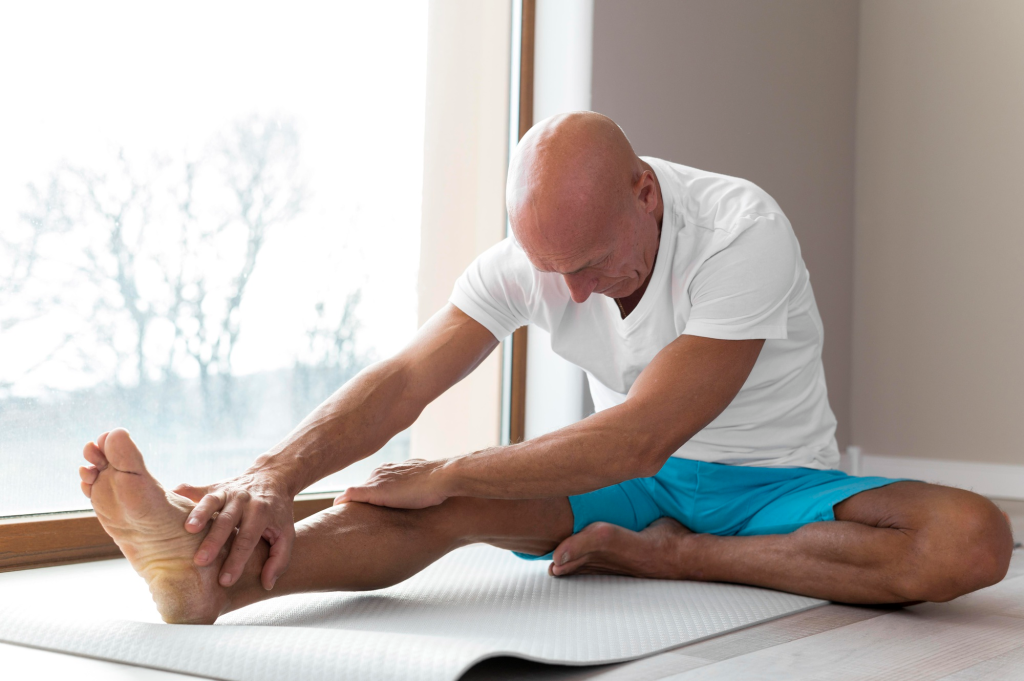
Maintaining senior mobility requires consistent foot care to preserve balance, prevent unexpected injuries, and support independent living. Proper hygiene, supportive footwear, routine daily monitoring, and timely professional treatments reduce chronic pain while ensuring ageing adults remain active, confident, and safe.
Key Takeaways
- Regular daily foot inspections help seniors detect circulation issues, skin changes, and dangerous infections early.
- Wearing supportive, properly fitted shoes significantly improves balance and reduces fall risks among older adults.
- Prompt professional treatments maintain lower limb structural integrity while preventing severe mobility loss over time.
Ageing naturally brings physical changes that often affect how comfortably people walk and navigate their environments. Maintaining healthy feet becomes fundamental when preserving personal freedom and physical independence throughout retirement.
Ignoring minor lower extremity discomfort can quickly lead to severe joint stiffness, chronic pain, and dangerous fall risks. Implementing proactive care strategies ensures lasting comfort while supporting an energetic lifestyle.
In this blog post, we are going to look at some essential foot care tips for seniors, which will help them to be more mobile and independent.
Understanding Senior Foot Health and Mobility
Lower extremity care is directly linked to maintaining essential body stability, preventing persistent pain, and sustaining vital movement throughout senior living environments.
Common Age-Related Foot Conditions
As bodies age, skin loses elasticity, nerve sensitivity decreases, and natural fat padding thins considerably. Consulting a qualified foot specialist helps identify structural changes early, ensuring appropriate management strategies are implemented immediately.
Arthritis, bunions, and hammertoes frequently alter joint mechanics and produce significant discomfort while walking. Addressing these physical issues proactively prevents minor irritation from transforming into debilitating pain that restricts routine daily activities.
- Decreased skin elasticity and thinning natural protective heel pads
- Reduced peripheral nerve sensitivity that dulls early pain signals
- Altered joint mechanics caused by progressive arthritic physical changes
Reduced blood circulation can also impair natural tissue healing, making minor abrasions or blisters surprisingly dangerous. Consistent visual inspections allow older individuals to notice subtle skin breakdowns before serious infections develop unexpectedly.
The Direct Link Between Foot Care and Balance
Sensory input from nerve endings beneath your feet informs your brain about posture and surface changes. When chronic pain or nerve damage dulls this feedback, maintaining steady physical balance becomes increasingly challenging.
Unstable stepping patterns often cause compensation mechanisms across knees, hips, and lower back muscles. Over time, these postural shifts generate unnecessary joint strain, accelerating fatigue and making simple daily walks feel exhausting.
By actively prioritizing lower extremity health, seniors protect their vital gait stability and reduce dangerous stumbles. Safe physical movement builds personal confidence, empowering older adults to remain socially active and fully independent.
Daily Practices for Preserving Foot Function
Adopting targeted daily personal habits keeps skin intact, minimizes painful friction, and ensures structural support remains highly effective throughout everyday physical movements.
#1. Proper Foot Hygiene
Washing feet daily with lukewarm water and mild soap removes harmful bacteria while soothing tired tissues. Thoroughly drying between toes afterwards prevents fungal growth and keeps sensitive skin from breaking down easily.
Moisturizing dry heels protects against deep cracking, though lotions should never be applied directly between toes. Seeking guidance from a podiatrist in Vaudreuil (podiatre Vaudreuil) helps establish safe skincare routines suited for delicate aging skin.
#2. Conduct Daily Self-Inspection
Daily self-examinations using handheld mirrors assist in detecting minor cuts, swelling, or discolored nails. Identifying early warning signals allows for quick routine intervention, preventing small skin complications from deteriorating into painful ulcers.
#3. Choosing the Right Footwear for Daily Support
Properly structured shoes cushion impacts, align arches, and protect fragile toes from accidental household bumps. Seniors should avoid worn footwear or flimsy slippers, which offer zero structural stability on smooth indoor surfaces.
- Protective non-skid rubber soles that enhance indoor traction
- Firm heel counters designed to stabilize vulnerable ankle joints
- Wide toe boxes preventing painful friction against sensitive skin
Opt for supportive shoes featuring protective non-skid rubber soles, firm heel counters, and wide toe boxes. Adjustable closures like Velcro simplify donning footwear while accommodating natural foot swelling throughout changing afternoon hours.
Walking barefoot inside houses increases slipping hazards and exposes feet to hard, unpadded surface impacts. Wearing cushioned support shoes indoors protects vulnerable soles while reinforcing proper healthy walking habits every single day.
Professional Care and Long-Term Prevention Strategies
Combining personal vigilance with expert professional medical evaluations guarantees lasting lower extremity stability, preventing subtle issues from compromising overall independent lifestyle activities.
#4. Recognizing Warning Signs Early
Persistent heel soreness, tingling sensations, or thickened nails should prompt an evaluation by a skilled foot specialist. Early clinical intervention resolves subtle alignment imbalances before severe pain compromises active daily personal mobility.
Diabetic seniors must maintain strict clinical oversight because nerve damage can mute injury pain entirely. Professional checkups detect hidden tissue changes early, ensuring vital proper circulation and skin integrity remain well protected.
Ignoring localized swelling or persistent joint stiffness accelerates physical fatigue and discourages regular exercise routines. Prompt medical assessments restore structural comfort, helping seniors stay fully engaged in active, fulfilling daily social schedules.
#5. Custom Solutions and Mobility Enhancement
Custom orthotic inserts correct gait irregularities, redistribute plantar pressure, and reduce joint wear across lower limbs. Partnering with an experienced Vaudreuil podiatrist (podiatre Vaudreuil) ensures that tailored orthotics match precise, unique anatomical requirements perfectly.
Professional nail trimming and callus management relieve painful friction zones, preventing skin breakdown during routine movement. Targeted clinical care allows seniors to maintain proper foot mechanics without experiencing chronic daily physical discomfort.
Routine clinical guidance coupled with daily personal attention fosters lasting physical resilience and overall vitality. Protecting total foot wellness empowers aging individuals to walk confidently, maintaining full independence throughout their golden years.
Wrapping Up
Prioritizing proactive foot health is essential for seniors striving to preserve personal physical mobility and independent living. Combining daily inspection habits, supportive footwear, and early professional care prevents severe lower extremity complications, ensuring aging adults remain comfortable, balanced, and active.
Step Into Comfort and Independence
Are you ready to enjoy pain-free movement and safeguard your daily independence? Schedule a comprehensive lower extremity wellness checkup today and discover personalized solutions tailored for your active, healthy, and fulfilling lifestyle!