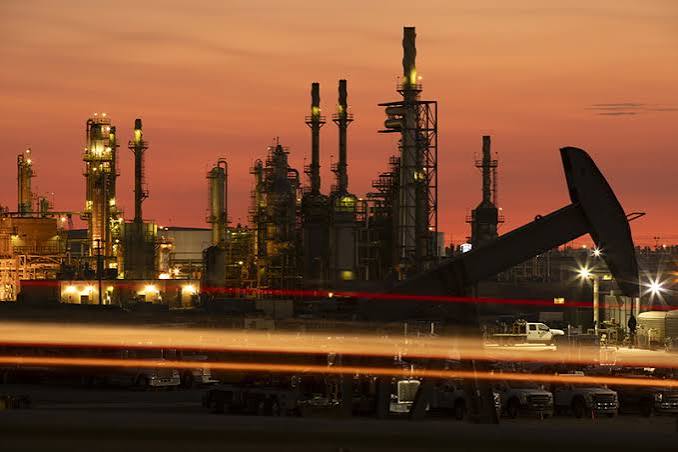
Kern County produces more oil than any other county in California, and Bakersfield sits at the center of that industry. Thousands of people work the fields, rigs, and processing sites that keep production running. Most shifts end the way they should, with workers heading home in one piece. But oil field work carries risks that few other jobs do, and when something goes wrong out there, it tends to go wrong in a big way.
A dropped tool on a construction site might cause a bruise. A dropped tool on a drilling rig, combined with a pressurized line or a pocket of toxic gas, can end a career or a life. Understanding what makes oil field accidents different helps explain why injured workers often need more than a standard workers’ comp claim to get back on their feet.
What Makes Oil Field Work So Dangerous
Oil extraction combines heavy machinery, high pressure, flammable materials, and hazardous gases in one workplace. Add in long shifts, remote locations, and tight production deadlines, and the margin for error shrinks fast. A few hazards show up again and again in Kern County oilfield accidents.
Blowouts and Well Control Failures
A blowout happens when pressure inside a well overwhelms the equipment meant to control it. Oil, gas, or drilling fluid can shoot to the surface with enough force to injure or kill anyone nearby. Modern wells have blowout preventers and pressure monitoring systems designed to stop this, but those systems only work if they are properly installed, maintained, and tested. When a company skips inspections or ignores warning signs to keep drilling on schedule, a well control failure becomes far more likely.
Hydrogen Sulfide (H2S) Exposure
Hydrogen sulfide is a colorless gas that occurs naturally in many oil and gas deposits. In low concentrations, it smells like rotten eggs. In higher concentrations, it becomes odorless and can cause unconsciousness within a single breath. Workers exposed to H2S have suffered permanent lung damage, neurological injuries, and in the worst cases, death. Employers are required to provide gas detection equipment, ventilation, and training for anyone working near a source of H2S. Gaps in any of those safeguards put crews at serious risk.
Equipment Failures and Mechanical Hazards
Drilling rigs, pump jacks, and processing equipment take a beating from constant use and exposure to the elements. Worn cables, corroded pipes, and poorly maintained machinery are a common thread in serious oilfield injuries. Crush injuries, amputations, and falls from height often trace back to a piece of equipment that should have been repaired or replaced long before it failed.
Why These Accidents Keep Happening
Oil field operators know the risks. Safety regulations for the industry are detailed and specific, covering everything from gas monitoring to equipment maintenance schedules. Most accidents are not the result of a freak occurrence. They happen because a safety step got skipped, a repair got delayed, or a crew got pushed to work faster than the conditions allowed.
That distinction matters for anyone injured on the job. When negligence, whether from an employer, equipment manufacturer, or another contractor on site, plays a role in the accident, the injured worker may have more than one path to compensation.
Production pressure is a recurring factor in these cases. Oil prices fluctuate, and companies feel pressure to keep wells running and output high. That pressure can trickle down into decisions about staffing levels, maintenance schedules, and how quickly a crew is expected to address a flagged problem. None of that excuses cutting corners on safety, but it helps explain why the same types of accidents keep showing up across the industry.
Workers’ Compensation Alone Often Falls Short
Workers’ compensation exists to get injured employees medical care and partial wage replacement without having to prove fault. It is a critical safety net, and in most cases it is the first claim an injured oilfield worker will file. But it has limits. Comp benefits typically do not cover the full extent of lost income, and they do not include compensation for pain and suffering.
For a catastrophic injury like a severe burn, a spinal injury, or long-term lung damage from gas exposure, those gaps can be significant. This is often where a Bakersfield personal injury lawyer gets involved, not to replace the workers’ comp claim, but to look at whether a separate, third-party claim is also possible.
When a Third-Party Claim Makes Sense
Workers’ comp generally prevents an employee from suing their own employer, even if the employer was careless. But oil fields rarely involve just one company. A drilling contractor, a well servicing company, an equipment manufacturer, and the land or well owner may all be operating on the same site. If negligence by one of those other parties contributed to the accident, an injured worker may be able to file a third-party personal injury claim in addition to their workers’ comp benefits.
A few examples of where a third-party claim might apply:
- A blowout preventer manufactured with a defect that caused it to fail
- A contractor working on the same site who created an unsafe condition
- A property owner who failed to disclose a known hazard, such as an unmarked gas line
These claims allow for a broader range of compensation, including pain and suffering and full lost earning capacity, which workers’ comp does not provide.
The Toll Goes Beyond Physical Injury
Catastrophic oilfield injuries change more than a worker’s body. Many people who survive a blowout, an explosion, or a severe gas exposure deal with anxiety, sleep problems, and lasting fear around returning to a work site. Some develop symptoms consistent with post-traumatic stress, particularly if they witnessed a coworker get hurt or worked alongside someone who did not survive.
This kind of harm is real, even though it does not show up on an X-ray. In a third-party personal injury claim, emotional distress can be part of the damages a worker pursues alongside medical bills and lost wages. It is worth understanding what personal injury claims can include when it comes to emotional distress, since it often gets overlooked in the early stages of a claim.
Steps to Take After an Oilfield Accident
The hours and days after a serious accident are stressful, but a few steps can make a real difference in protecting an injured worker’s health and their legal options.
- Get medical attention right away, even if symptoms seem minor at first. Some injuries, especially from gas exposure, take time to show up.
- Report the incident to a supervisor and get it documented in writing.
- Take photos of the accident scene and any equipment involved, if it is safe to do so.
- Write down what happened while the details are still fresh, including who else was on site.
- Avoid signing anything from an employer’s insurer or a third party’s insurer before understanding what the claim is worth.
Every oilfield accident is different, and the number of companies involved on a single site means the fault picture is rarely simple. Getting a clear read on who was responsible, and what that means for a claim, is usually worth doing early rather than after benefits have already run out.
Common Warning Signs Companies Ignore
Looking back at serious oilfield accidents, investigators often find a trail of small warning signs that got brushed aside. A pressure gauge that read inconsistently for weeks. A gas alarm that kept going off and got treated as a nuisance instead of a problem. A crew that flagged a worn cable and got told to keep working until the next scheduled maintenance window.
None of these signs guarantee an accident on their own. Together, though, they show a pattern of prioritizing production over safety. Documentation of these warning signs, whether through maintenance logs, safety meeting notes, or worker complaints, often becomes central evidence in a negligence claim after the fact.
The Bottom Line
Oil field work will always carry some risk. The industry cannot run without pressure, heavy equipment, and hazardous materials. What separates an unavoidable hazard from a preventable accident usually comes down to whether companies followed the safety standards already in place. When they do not, and a worker gets hurt as a result, understanding both workers’ compensation and third-party claims gives that worker the best chance at a full recovery, not just a physical one, but a financial one too.