High voltage x-ray generators power the X-ray tubes that produce imaging beams used across multiple industries today. Whether in security scanning, medical diagnostics, industrial inspection, or scientific analysis, stable high voltage X ray generator are fundamental to achieving clear, accurate X-ray images. These generators convert standard electrical input into the high potentials required to accelerate electrons in an X-ray tube, influencing everything from image resolution to system reliability.
Understanding their role helps engineers, technicians, and decision-makers design better imaging systems, improve safety, and select the right components for specific applications.
What High Voltage X-Ray Generators Do
A high voltage x-ray generator is an electronic device that supplies controlled high voltage and current to an X-ray tube. The generator converts low-voltage AC from the mains into high-voltage DC necessary for X-ray production. The magnitude and stability of this high voltage determine the energy of the X-ray photons, which in turn affects image contrast and penetration.
In imaging systems, these generators act as the heart of the power delivery chain, stabilizing the output so that X-ray tubes can operate continuously and consistently. Without a reliable high-voltage supply, imaging systems would produce noisy or inconsistent results, reducing diagnostic value or inspection accuracy. High-voltage power supplies also help manage heat and protect sensitive components, extending equipment life and reducing downtime.
Core Components of High Voltage Power Supplies
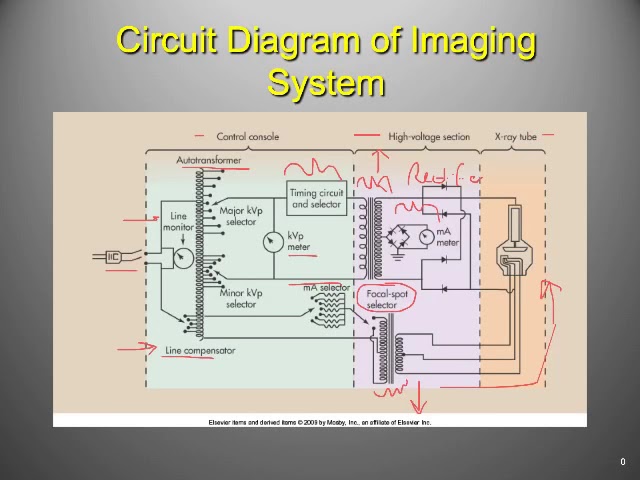
High voltage power supplies consist of transformers, rectifiers, control circuitry, and feedback loops that regulate output. The transformer increases voltage from line levels to the tens or hundreds of kilovolts needed for X-ray tubes. Rectifiers convert alternating current to direct current, while control and feedback systems ensure output remains stable under varying loads. Advanced designs use closed-loop feedback and thermal management to minimize fluctuations that can degrade image quality. Efficient insulation and cooling systems help maintain consistent performance, especially in continuous use environments such as medical imaging suites or security screening lines.
Impact on Imaging Quality
In imaging systems, the quality of the X-ray image depends in part on the generator’s ability to deliver consistent, stable high voltage. Fluctuations in the supply can cause variations in beam intensity, leading to inconsistent brightness and contrast in images. Stability is especially critical in high-resolution applications such as computed tomography (CT) scanning, where precise X-ray energy levels are needed to reconstruct accurate cross-sectional images. High voltage generators with robust feedback and thermal control result in clear, reproducible images that are essential for accurate diagnosis or inspection conclusions.
Applications Across Industries
High voltage x-ray generators serve diverse roles across industries. In security, generators power systems that scan luggage, cargo, and parcels to detect threats, requiring stable high voltage to penetrate dense materials effectively. In food safety, these generators help identify foreign contaminants such as bone, glass, or metal, ensuring product quality and safety.
Industrial non-destructive testing uses high voltage to inspect welds, castings, and components without damaging them, while electronics manufacturing relies on X-ray systems to verify solder joints and detect hidden defects. Scientific research often needs high precision in X-ray beams to perform material analysis, crystallography, or micro-CT imaging. Each of these applications places different demands on high-voltage power supplies, and modern generators are designed to meet those diverse needs with adaptability and reliability.
Design Features That Matter
Modern high-voltage X-ray generators incorporate several design features that improve performance and ease of integration. Compact form factor and lightweight construction reduce space requirements and simplify installation in OEM systems. Efficient thermal management, often using oil-based cooling or advanced thermal dissipation methods, prevents overheating during continuous operation and enhances system longevity.
A digital interface, such as RS-232 communication, allows external control and monitoring, helping engineers fine-tune performance and integrate the generator with other system components. These features not only ensure stable operation but also reduce maintenance needs and improve user experience throughout the lifecycle of the imaging system.
Safety and Maintenance Considerations
Operating high voltage X ray generators requires strict safety protocols. Because these devices produce extremely high voltages and potentially harmful radiation, shielding, grounding, and proper insulation are essential. Regular maintenance of high-voltage power supplies ensures continued stability and prevents failures that could lead to unsafe conditions or degraded performance. Modern generators are designed with robust insulation and safety features to minimize risks, but technicians must still adhere to industry standards and best practices for safe operation.
Future Trends in High Voltage X-Ray Technology
As imaging technologies evolve, high-voltage power supplies continue to improve. The push toward more compact and efficient designs supports portable and mobile imaging systems. Advances in power electronics and digital control enable finer regulation of high voltage output, enhancing image quality and system responsiveness. Integration with smart diagnostics and self-monitoring capabilities can reduce downtime and predictive maintenance costs. As industries demand faster, more accurate imaging, high-voltage generator designs will likely incorporate more automation, improved energy efficiency, and compatibility with advanced detectors and imaging software.
Conclusion
Advanced imaging technologies rely on high voltage X ray generators and their associated high-voltage power supplies as critical system components. They enable the production of stable, high-energy X-ray beams required for clear imaging and accurate detection across medical diagnostics, industrial inspection, and scientific research. By converting standard electrical input into precise high-voltage output, these generators directly affect image quality, system reliability, and operational efficiency. Choosing the right generator with suitable performance and integration features is essential for imaging system success.
If you are looking for a trusted partner in advanced X-ray power technology, VJ X-Ray delivers high-voltage X-ray generators, high-voltage power supplies, and integrated X-ray sources for OEMs worldwide. Backed by over three decades of engineering expertise, the company offers reliable, compact, and customizable solutions tailored for security, industrial, medical, and analytical imaging systems, ensuring consistent performance, smooth system integration, and long-term operational efficiency across demanding applications.