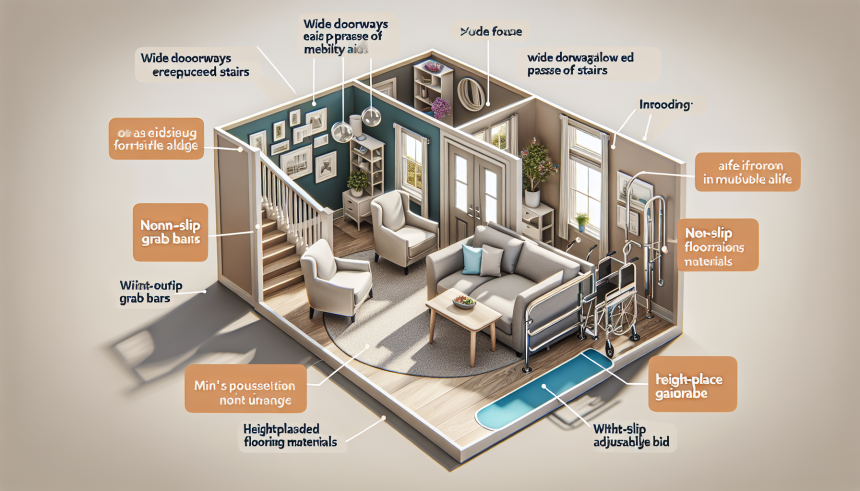
In-home care services for autistic adults are reshaping the dynamics of families across the country. These tailored support systems not only assist individuals but also alleviate the pressures on families, creating a nurturing environment that fosters growth and collaboration. “In-home care can provide stability and comfort, making day-to-day life easier for everyone involved,” says Dr. Mary Thompson, a leading expert in developmental care.
Families facing the challenges of autism often encounter significant emotional and logistical hurdles. In-home care services offer a lifeline, promoting independence for autistic adults while providing essential respite care for weary caregivers. This dual support fosters stronger family bonds, reducing stress and allowing families to thrive together. As they explore the unique benefits of in-home care, families can discover transformative solutions that enhance daily life and ensure the well-being of their loved ones.
For families caring for elderly relatives, the principles of in-home care hold similar promise. By allowing older adults to live comfortably in their own homes, families can provide the care that respects their dignity and wishes. These services emphasize the significance of personalized care, creating a supportive atmosphere for all members of the family. This article will delve into how in-home care transforms the lives of autistic adults and their families, providing insights, strategies, and real-life success stories to inspire hope and encourage proactive choices.
Understanding In-Home Care for Autistic Adults
In-home care services for autistic adults encompass a range of support tailored to meet the unique needs of individuals with autism and their families. These services can include personal care, such as assistance with daily activities, and therapeutic support designed to enhance communication and social skills. By bringing these services directly into the home, families can create an environment conducive to learning and growth while ensuring their loved ones feel comfortable and safe. This accessibility allows for better integration of care into the individual’s daily routine, promoting a more cohesive family dynamic.
Types of support available within in-home care services vary widely. Personal care aides can help with basic tasks like meal preparation and hygiene, while skilled therapists might offer occupational or speech therapy sessions. Additionally, social workers can provide guidance on navigating resources and community programs. For example, a family might engage a behavioral therapist who conducts sessions in the home to reduce disruptive behaviors, making family interactions more enjoyable and less stressful. These tailored approaches empower autistic adults, fostering greater independence and well-being.
Eligibility for in-home care services typically depends on a combination of factors, including diagnosis, age, and the specific support needs of the individual. Families can often access these services through local healthcare facilities or community organizations by submitting an assessment request. Many states provide funding options or programs aimed at helping families cover the costs associated with these services, easing financial burdens and allowing for a focus on caring for their loved one. By understanding the criteria and processes involved, families can better advocate for the support their autistic relatives need.
In navigating in-home care options, families are encouraged to communicate openly with service providers about their specific needs and expectations. Collaborating closely with professionals ensures that the care received is not only effective but also aligned with the family’s unique circumstances. This collaboration fosters a more supportive environment for autistic adults, enhancing both their quality of life and the overall family dynamic.
The Importance of Family Support
In-home care for autistic adults provides critical emotional and psychological benefits that reverberate throughout the family unit. Family members often experience elevated stress levels while caring for their elderly loved ones. According to a study by the National Autism Center, more than 60% of caregivers report feeling overwhelmed. In-home care alleviates some of this burden by offering targeted caregiver support, which allows families more time to focus on their emotional well-being. This support can be as straightforward as a trained caregiver providing companionship or as complex as managing medical needs. The relief translates into a more positive atmosphere at home.
Enhanced quality of life is another significant impact of in-home care. Families often find that with professional help, they can engage in activities that they enjoy together, be it going for walks, playing games, or simply sharing meals. For instance, the Smith family, who benefited from in-home care, discovered they could finally plan weekend outings without the constant worry of managing care needs themselves. This freedom not only enriched their experience as a family but also improved the mood of their autistic son, who thrived in a more relaxed environment. Such shared experiences strengthen bonds and create lasting memories.
Moreover, the introduction of professional caregivers can foster more cohesive family relationships. When responsibilities are shared, family members can communicate more openly about their feelings and experiences. This collaborative approach can break down barriers that have developed over time due to the challenges of caregiving. For example, the Garcia family found that having an in-home caregiver enabled them to sit down together and discuss their son’s needs without the stress of managing those needs in real-time. As a result, they reported greater understanding of each other’s roles and feelings, leading to harmony in their home.
Ultimately, in-home care not only supports autistic adults but also enriches the lives of their family members. The emotional relief, enhanced quality of life, and strengthened relationships create a supportive framework that allows everyone to thrive. Families can benefit immensely from caregiver support, paving the way for a nurturing and loving home environment.
Improving Family Dynamics
Professional in-home care for autistic adults can significantly reduce household stress, providing relief to families who may feel overwhelmed. Caregivers trained in autism can implement structured routines and strategies tailored to individual needs, which fosters an environment of stability. For instance, a family in California reported that having a dedicated caregiver helped their autistic son adhere to his schedule, leading to fewer meltdowns and a calmer home atmosphere. This consistency not only benefits the individual receiving care but also allows family members to feel more relaxed and engaged.
Effective communication is essential in nurturing family dynamics. In-home caregivers often serve as intermediaries, facilitating conversations that involve family members and the autistic adult. Techniques such as using visual aids or simple language can help bridge communication gaps. For example, a family in New York utilized picture schedules to communicate daily activities, enhancing their son’s understanding of expectations. This approach not only improved interactions but also empowered the autistic adult to express his preferences, leading to a more harmonious home environment.
Engaging in activities together strengthens family bonds and cultivates a sense of unity. In-home care professionals can suggest tailored activities that appeal to the individual’s interests while promoting interaction. A family in Texas found that cooking together created a joyful experience, allowing their daughter to participate and bond with her siblings. These shared moments, whether through arts and crafts or game nights, foster connections that bolster emotional ties and improve overall family happiness.
Ultimately, integrating professional support within the home can lead to more effective communication, enhanced personal safety, and enriched family relationships. As families adapt to this model of care, they often discover new ways to connect and understand each other, transforming their home into a supportive and nurturing space.
Peace of Mind for Parents and Family Members
In-home care services for autistic adults provide a vital sense of safety and well-being for families. Knowing that a trained professional is overseeing their loved one’s care alleviates much of the anxiety that family members often feel. For instance, Jane, a mother of a 30-year-old son with autism, shared that having a dedicated caregiver not only reassured her about her son’s daily activities but also allowed her to focus on other aspects of life, such as her job and wellness. This peace of mind fosters emotional well-being for both the autistic individual and their family.
Trust in caregivers is essential for families navigating the intricacies of autism. Families can rest easier when they know that care providers are skilled in managing specific needs and behaviors. The qualifications of these professionals are often emphasized during the selection process, ensuring that families feel confident in the care being provided. Many families, like Jane’s, have found that caregivers not only meet basic needs but also engage with their loved ones thoughtfully, enhancing their quality of life.
Regular assessments play a crucial role in maintaining this trust and peace of mind. These evaluations allow caregivers and families to monitor progress and adjust care plans as necessary. For example, assessments might highlight improvements in communication skills or suggest new activities that promote independence. These outcomes can reassure families that their loved ones are progressing and thriving in a supportive environment. The combination of qualified care, continuous evaluation, and the emotional benefits of knowing their loved ones are safe makes in-home care an invaluable resource for families of autistic adults.
Integration of Care and Life Skills
In-home programs designed for autistic adults focus on teaching essential life skills that promote independence. These programs often include activities such as cooking, personal hygiene, and money management, tailored to individual abilities and needs. For example, a program might include guided sessions where a caregiver teaches meal preparation, allowing participants to create simple dishes while developing confidence in the kitchen. By incorporating practical skills into daily routines, these initiatives help foster a sense of accomplishment and autonomy.
Encouraging independence is vital, but safety remains a top priority. In-home care providers employ strategies to balance these two aspects. For instance, they can implement safety measures while teaching skills. In a scenario where an autistic adult learns to manage cooking tasks, caregivers may introduce techniques such as using timers or non-flammable materials, ensuring that the learning experience remains both safe and productive. This approach empowers individuals to practice life skills with the reassurance that they are in a secure environment.
Successfully transitioning from care to autonomy also involves structured planning. Caregivers often set clear, achievable goals, breaking down complex tasks into manageable steps. For instance, a caregiver may help an autistic adult practice grocery shopping by creating a visual shopping list and accompanying them to the store. Over time, as the individual gains confidence, they can gradually learn to shop independently. Such methods can alleviate parenting challenges, as families witness meaningful progress and increased self-sufficiency in their loved ones.
Ultimately, in-home programs that integrate care and life skills transform the lives of autistic adults and their families. By equipping individuals with the tools necessary for daily living, these programs promote a more independent lifestyle while reducing anxiety for both parents and caregivers. As families observe their loved ones gaining skills and confidence, they experience a renewed sense of hope and fulfillment.
The Role of Healthcare Professionals in In-Home Care
In-home care services for autistic adults often hinge on effective collaboration between caregivers and healthcare professionals. These partnerships are crucial for tailoring support to meet individual needs. For instance, a neurologist and an occupational therapist might work together to develop strategies that address sensory sensitivities while enhancing daily living skills. This teamwork ensures that caregivers are well-informed and adequately equipped to support the unique challenges faced by autistic adults.
Personalized care plans form the backbone of successful in-home care. Each plan is crafted to suit the specific needs of the individual, taking into account their preferences, strengths, and areas needing improvement. For example, a family might collaborate with a healthcare provider to create a plan focusing on social skills enhancement and routine development. This personalized approach not only fosters independence but also instills a sense of achievement in the autistic adult.
Resources available through healthcare systems significantly bolster in-home care efforts. Many local agencies provide comprehensive assessments, training sessions for caregivers, and access to support groups. These resources not only equip families with necessary tools but also create a network of support that can alleviate feelings of isolation. When families are aware of the options available to them, they can better navigate the complexities of adult autism care.
In summary, the collaboration between caregivers and healthcare professionals plays a pivotal role in effective in-home care. Personalized plans and supportive resources not only enhance the quality of life for autistic adults but also instill confidence and reassurance in their families. By leveraging these connections, families can create a nurturing environment that promotes growth and well-being for everyone involved.
Real-Life Success Stories
In-home care services have proven transformative for many families with autistic adults. For instance, the Martinez family from Texas found significant relief when they engaged an in-home support team for their son, Alex, who is in his mid-twenties. “Before we had professional help, our family dynamic was tense,” said Maria Martinez, Alex’s mother. Since incorporating daily support, they have observed remarkable changes. Alex has become more independent, allowing his parents to focus on personal well-being while nurturing their relationship. The emotional burden they once felt has shifted towards a more supportive and caring family environment.
Another inspiring story comes from the Lee family in California. They struggled for years to manage their son Jonathan’s behavioral challenges and provide him with the life skills he needed. After accessing in-home care services, they noted a drastic improvement in Jonathan’s communication abilities and social interactions. “The in-home support has provided him with consistent routines and positive reinforcement,” stated David Lee. Engaging professional caregivers allowed the family to introduce activities that encouraged Jonathan’s engagement and connection with the world around him.
The Fisher family also shares their success with in-home care. After employing a caregiver to assist their daughter, Emma, they noticed less stress in the household. The caregivers implemented structured activities that helped Emma enhance her skills and enjoy her hobbies. “Having an experienced caregiver has reduced our anxiety tremendously,” explained Sarah Fisher. By facilitating family outings and recreational activities, the caregivers fostered a cohesive environment, enhancing bonds between family members while offering Emma the specialized attention she needs.
These testimonials illustrate how in-home care can dramatically improve the quality of life for autistic adults and their families. By sharing these stories, families can recognize the potential of in-home support services in fostering stronger relationships, enhancing personal growth, and enabling a brighter perspective for the entire family unit.
Conclusion
In-home care services for autistic adults offer transformative benefits for families, enhancing emotional well-being and strengthening bonds. These services provide tailored support that fosters independence while ensuring safety, greatly alleviating the stress that families may face. One mother, reflecting on her experience, stated, “Having trained professionals in our home allowed us to breathe again and focus on our family’s needs.”
Families are encouraged to explore the available options for in-home care, recognizing the profound positive changes it can bring. Investing in specialized support can create a nurturing environment that enables autistic adults to thrive and families to flourish. This journey not only enriches the lives of autistic individuals but also nurtures the entire family’s dynamics, allowing everyone to achieve a better quality of life. In addition, similar in-home care services can provide critical support for aging family members, helping them remain in their own homes comfortably and safely. Embracing the resources available creates a brighter future for all family members, ensuring that care is not only about support but about creating a loving and understanding environment.