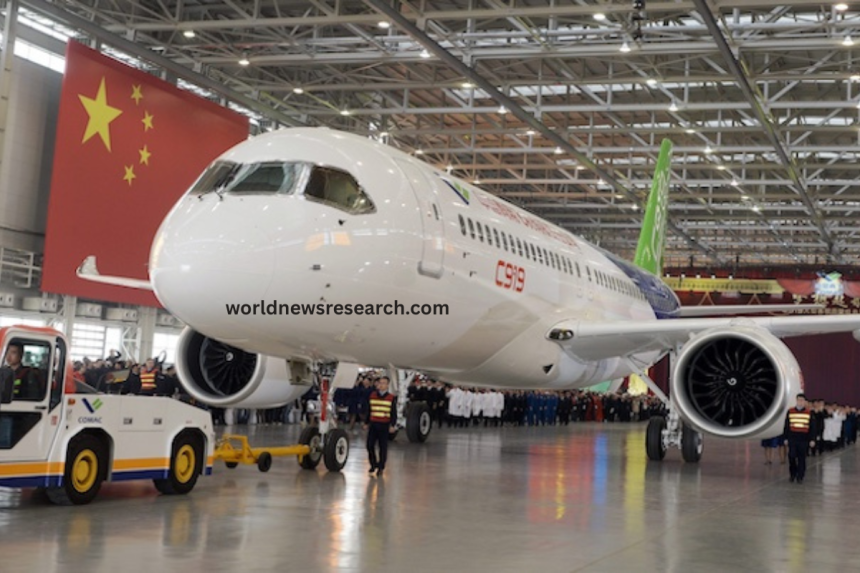
The relationship between the United States and China has been fraught with challenges, particularly in trade, which has deeply impacted global industries. One of the most significant consequences of this trade tension was the imposition of a delivery ban on Boeing aircraft in China, one of the world’s largest and most crucial aviation markets. After several years of strained relations, the lifting of this ban following the US-China trade agreement marked a pivotal moment in the global aviation and trade landscape.
This article explores the background of the Boeing-China relationship, the trade war that led to the ban, and the subsequent lifting of the ban, examining its effects on Boeing, the US-China trade relationship, and the global aviation industry.
Chapter: The Rise of the US-China Trade War
Background of US-China Trade Relations
The history of economic relations between China and the United States is extensive, but tensions began escalating significantly in the late 2000s and early 2010s. The trade imbalance between the two countries, allegations of intellectual property theft, and competitive economic policies led to a trade standoff.
The Trade War Begins
The trade war officially began in 2018 when the United States, under the leadership of President Donald Trump, imposed tariffs on billions of dollars’ worth of Chinese goods. In retaliation, China levied tariffs on American products, particularly targeting industries where the US had a competitive advantage, including aerospace, technology, and agriculture.
Aerospace Industry Impact
The aerospace sector became one of the key battlegrounds. Boeing, as the largest US-based aircraft manufacturer, became a focal point in the trade dispute. At the same time, China’s aviation market, one of the fastest-growing in the world, was vital to Boeing’s growth and profitability.
Chapter: The Boeing-Chinese Relationship and the Ban
The Importance of the Chinese Market
China’s rapidly growing aviation industry has made it a crucial market for both Boeing and its European competitor, Airbus. Over the years, Boeing had been a dominant supplier of aircraft to Chinese airlines, but the trade tensions in the late 2010s put a strain on this relationship.
The Imposition of the Boeing Delivery Ban
In 2020, as the US-China trade war reached new heights, China’s aviation authorities took action against Boeing, suspending the delivery of Boeing aircraft to Chinese airlines. This was viewed as both a strategic and retaliatory move in response to the tariffs and other trade restrictions imposed by the US.
The delivery ban was not just about economic interests but also reflected deeper geopolitical tensions between the two countries. China’s Civil Aviation Administration (CAAC) put pressure on Chinese carriers to reconsider their contracts with Boeing, forcing them to look towards Airbus, whose headquarters is based in Europe.
Effect on Boeing
The delivery ban came at a time when Boeing was already facing significant challenges due to the 737 MAX crisis. The aircraft, which was one of Boeing’s flagship products, had been grounded worldwide following two fatal crashes. This grounding had already caused severe financial damage to the company. The Chinese ban only added to Boeing’s woes, as it lost access to one of its most lucrative markets.
Chapter: The US-China Trade Truce and its Impact on Boeing
The Phase One Agreement
In January 2020, the US and China signed the Phase One trade agreement, which was seen as a temporary truce in their escalating trade war. This deal included several key provisions aimed at addressing some of the structural issues between the two economies. Among other things, the agreement sought to increase Chinese purchases of American goods, including agriculture, energy, and aerospace products.
The Lifting of the Boeing Ban
With the Phase One Agreement in place, China agreed to lift the delivery ban on Boeing aircraft, a move that sent a signal of thawing relations. The delivery ban was seen as a bargaining chip during the trade negotiations, and as the US and China agreed to more favorable terms for both parties, China reversed its decision on the suspension.
Repercussions for Boeing
The lifting of the ban was seen as a significant victory for Boeing. The company was able to resume deliveries of its aircraft to Chinese carriers, including much-needed orders for the 737 MAX. This was particularly important as Boeing was attempting to recover from the MAX crisis, and China’s market was crucial for its comeback.
Chapter: Economic and Geopolitical Implications of the Agreement
Restoration of Trade Relations
The restoration of Boeing deliveries to China was emblematic of a broader effort to stabilize US-China relations. While the Phase One Agreement did not resolve all issues between the two nations, it did create a framework for future negotiations and cooperation.
The Impact on the Aviation Industry
The aerospace industry, particularly Boeing and Airbus, stood to gain significantly from the lifting of the ban. China’s demand for commercial aircraft was expected to rise sharply, and both companies would look to capture a larger share of this lucrative market. The deal also provided stability to the global aviation supply chain, which had been disrupted by the trade war and the COVID-19 pandemic.
Long-Term Effects on the US Economy
For the United States, the lifting of the ban and the broader trade agreement was seen as a boost for American manufacturers, particularly those in the aerospace, technology, and agricultural sectors. While the benefits were clear for Boeing, other sectors also stood to gain from the reopening of the Chinese market.
Chapter: The Bigger Picture: US-China Rivalry and Its Global Impact
The Geopolitical Rivalry
Beyond trade, the US-China relationship is deeply shaped by geopolitical concerns. Both countries view each other as the primary global power competitors, and their rivalry affects everything from military strategy to technological innovation.
The Technology and Aerospace Race
As the US and China vie for supremacy in various technological fields, aerospace has become a critical arena. Boeing’s competition with Airbus in China reflects this broader rivalry, as both nations see aerospace as a symbol of their technological prowess and global influence.
The Global Aviation Ecosystem
The US-China trade relationship has wide-reaching effects on the global aviation ecosystem. Airlines, suppliers, regulators, and manufacturers in countries around the world are impacted by these geopolitical and economic shifts. The Boeing-Chinese relationship is one piece of the puzzle, but the interconnectedness of the industry means that changes in this area reverberate globally.
Chapter: Looking Ahead: Challenges and Opportunities for Boeing
Boeing’s Recovery and Future Prospects
While the lifting of the delivery ban was a significant step for Boeing, the company still faces challenges. The 737 MAX crisis, while partially mitigated, continues to affect the company’s reputation. Additionally, the broader effects of the COVID-19 pandemic on air travel may slow demand for new aircraft in the short term.
China’s Role in the Future of Aerospace
China’s growing importance in the global aviation market means that Boeing must continue to nurture its relationship with the country. As Chinese carriers grow and new airlines emerge, the demand for aircraft will increase, presenting both opportunities and challenges for Boeing.
The Need for Adaptation
As the global trade environment continues to evolve, Boeing and other aerospace manufacturers must remain agile. Trade wars, shifts in policy, and changing technological landscapes will require continuous adaptation. Boeing must also ensure its long-term competitiveness by addressing both the Chinese market and the broader geopolitical shifts affecting global trade.
Frequently Asked Question
Why did China impose a delivery ban on Boeing?
China imposed a delivery ban on Boeing as part of the broader trade tensions between the United States and China. This was seen as a retaliatory measure by China in response to tariffs and other trade restrictions imposed by the US. Additionally, it reflected the geopolitical friction between the two countries, which affected industries such as aerospace.
What was the significance of the US-China trade agreement in lifting the ban?
The US-China Phase One trade agreement, signed in January 2020, aimed to ease tensions and resolve some of the economic disputes between the two nations. As part of the agreement, China agreed to lift the ban on Boeing deliveries, signaling a thaw in relations and allowing Boeing to resume supplying aircraft to Chinese carriers.
How did the delivery ban affect Boeing’s business?
The delivery ban had a significant financial impact on Boeing, as China was one of its largest markets for commercial aircraft. This restriction compounded Boeing’s existing challenges, particularly following the grounding of its 737 MAX aircraft after two fatal crashes. Losing access to the Chinese market was a major setback for the company’s recovery and growth.
What impact did the lifting of the delivery ban have on Boeing?
The lifting of the ban was a major positive development for Boeing, as it allowed the company to resume deliveries of aircraft, including the 737 MAX, to Chinese airlines. This was particularly important for Boeing’s financial recovery and helped restore its position in the global aerospace market.
How did the US-China Phase One Agreement affect global trade?
The Phase One Agreement served as a temporary truce in the escalating trade war between the US and China. It provided a framework for increased purchases of American goods by China, including agricultural products, energy, and aerospace technology. The agreement also provided stability to global trade by easing some of the uncertainties created by tariffs and retaliatory measures.
Why is the Chinese aviation market important to Boeing?
China is one of the fastest-growing aviation markets in the world, with a rapidly expanding number of airlines and increasing air travel demand. As a result, Boeing’s ability to access this market is crucial for its long-term growth and competitiveness in the global aerospace industry. The Chinese market represents a significant source of orders for commercial aircraft, particularly large fleets of planes.
Did Airbus benefit from the Boeing delivery ban?
Yes, Airbus, Boeing’s European competitor, was one of the primary beneficiaries of the Boeing delivery ban. With Boeing unable to deliver aircraft to Chinese airlines, many carriers turned to Airbus for their aircraft needs, helping Airbus capture a larger share of the Chinese market during this period.
What challenges does Boeing still face after the ban was lifted?
While the lifting of the ban was a major victory for Boeing, the company still faces several challenges. The 737 MAX crisis, which involved the grounding of the aircraft following fatal crashes, continues to impact Boeing’s reputation and finances. Additionally, the ongoing effects of the COVID-19 pandemic on air travel may slow demand for new aircraft in the short term.
Conclusion
The lifting of the Boeing delivery ban by China after the US-China trade truce represents a significant milestone in the ongoing saga of global trade tensions. While the Phase One Agreement may not have solved all of the underlying issues between the two countries, it allowed for a much-needed stabilization in the aerospace industry, particularly for Boeing. As the global aviation market continues to recover, the importance of US-China relations and their impact on the aerospace sector will remain a focal point for both companies and policymakers alike.