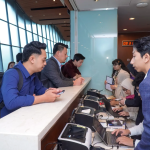
Connections often shape how the banking industry discovers new ideas, technologies, and opportunities. In an increasingly digital financial environment, professionals need meaningful conversations with peers, technology providers, financial experts, and other industry stakeholders. A finance networking event provides a focused setting where these conversations can begin.
Beyond exchanging business cards, participants can discuss emerging banking technologies, operational challenges, customer expectations, digital payments, risk management, and market developments. Such interactions can encourage knowledge sharing, open doors to potential collaborations, and help banking professionals build relationships that remain valuable long after the event ends.
Bringing Banking Leaders Into One Space
Banking involves retail banking, corporate banking, payments, risk, compliance, technology, data, treasury, and customer experience. Professionals working in these areas may have limited opportunities to interact outside their immediate functions. A focused networking gathering brings these groups closer together.
When senior banking professionals meet peers from other institutions, conversations can move beyond routine business discussions. Participants may compare approaches to digital transformation, customer onboarding, cybersecurity, payment innovation, or operational efficiency. These exchanges can reveal how institutions are responding to similar challenges and encourage participants to consider ideas that may apply to their organisations.
Connecting Banks With Technology Providers
Technology is closely connected to banking operations. Financial institutions increasingly evaluate solutions involving artificial intelligence, cloud infrastructure, APIs, data intelligence, digital identity, automation, and payment systems. Networking events create an environment where banks can communicate directly with companies developing these technologies.
Instead of relying only on product information, banking professionals can ask questions about implementation, integration, security, scalability, and practical use cases. Technology providers can also gain a clearer understanding of financial institutions’ requirements. This two-way conversation can make technology discussions more relevant and help both sides determine whether a potential relationship deserves further exploration.
Creating Opportunities for Knowledge Exchange
Strong professional connections often begin with useful information. Conferences and networking sessions allow participants to hear perspectives from executives, economists, technology leaders, and specialists. Presentations, panel discussions, and question-and-answer sessions can introduce new viewpoints while giving attendees subjects to discuss afterward.
For banking professionals, this knowledge exchange can cover digital payments, open banking, banking-as-a-service, customer experience, fraud prevention, data management, and financial inclusion. Discussions around these topics can help participants understand industry direction and identify questions that deserve attention within their own organisations.
Encouraging Cross-Industry Collaboration
Banking innovation rarely happens in isolation. Banks interact with fintech companies, technology providers, regulators, investors, consultants, and other financial institutions. Networking events bring these groups into the same professional setting, creating opportunities for conversations that might otherwise take longer to establish.
A fintech company may discover a banking requirement that shapes its product development. A bank may find a technology provider that addresses an operational challenge. A regulatory representative may hear industry concerns directly from practitioners. These interactions can support clearer communication and help stakeholders understand each other’s priorities.
Supporting Strategic Conversations
Not every professional connection needs to result in an immediate transaction. Some relationships become valuable because they create a channel for future discussions. Meeting someone in person can make it easier to continue a conversation through a follow-up meeting, consultation, demonstration, or partnership discussion.
A well-structured capital markets conference can similarly connect professionals around investment trends, market infrastructure, risk, technology, and institutional priorities. This can make discussions more focused.
Making Networking More Targeted
The quality of networking depends partly on who is present. Events that attract relevant decision-makers can make professional interactions more focused. Pre-qualified delegates, hosted-buyer programmes, dedicated networking areas, and one-to-one meetings can help participants spend time with people whose responsibilities or interests align with their objectives.
For technology providers, this may create opportunities to meet banking decision-makers evaluating solutions. For banking professionals, it can provide access to companies and specialists with expertise in areas they are exploring. Targeted networking can reduce the time required to identify relevant contacts and make initial conversations more productive.
Strengthening Professional Relationships
A brief introduction becomes more meaningful when followed by continued engagement. Industry events can provide the first interaction, but relationships are developed through follow-up conversations and shared professional interests. Participants can exchange perspectives, arrange demonstrations, continue technical discussions, or remain connected as industry priorities change.
These relationships can become useful sources of knowledge. A banking executive may contact a peer to understand how another institution approached a challenge. Repeated professional interactions can strengthen trust and access to industry expertise.
Helping Banks Understand Market Priorities
Financial services are changing quickly, and banking leaders need to monitor developments across technology, regulation, customer expectations, and competition. Networking events provide a concentrated environment for understanding these shifts.
Discussions involving artificial intelligence, data-driven banking, cloud transformation, digital payments, biometrics, digital identity, and customer-centric services can help participants identify emerging priorities. Hearing directly from industry professionals can also add context to broader market information by showing how ideas are being considered or implemented in financial institutions.
Turning Meetings Into Long-Term Value
The real value of professional networking often appears after the event. Participants can organise follow-up meetings, share relevant information, explore partnerships, compare implementation experiences, or maintain contact for future opportunities. A useful introduction can become the beginning of a longer professional relationship.
For banking institutions, continued engagement can support access to specialised knowledge and technology. For solution providers, it can improve understanding of customer requirements. For regulators and industry experts, ongoing conversations can provide additional perspectives on sector developments.
Conclusion
Banking connections grow through knowledge sharing, direct conversations, professional trust, and meaningful collaboration. Industry events create focused opportunities for decision-makers, innovators, technology providers, and financial professionals to exchange perspectives and explore relationships. By combining discussions, networking, and one-to-one interactions, finance networking event can encourage conversations that continue beyond the event, supporting stronger professional relationships and informed collaboration.
For professionals seeking meaningful industry connections and valuable business opportunities, World Financial Innovation Series (WFIS) – Vietnam brings banking, fintech, technology, and financial services professionals together to exchange ideas, build connections, and explore emerging opportunities. With conferences, exhibitions, networking sessions, hosted buyer interactions, and industry discussions, the event creates a focused environment for meaningful conversations, knowledge sharing, and collaboration across Vietnam’s evolving financial ecosystem, supporting stronger, lasting, long term professional relationships.