We upgrade our phones, our trainers and even our morning coffee without a second thought. Yet many of us still choose period protection the way we did at fourteen: grab whatever is on the shelf and hope for the best. If you have ever felt a flicker of worry during a long meeting, a workout or a night’s sleep, it may be time for a rethink.
The humble lady care sanitary pad is no longer the only option on the table, and it isn’t even the same product it once was. Cups, discs, period underwear and smarter disposables now compete for space in the bathroom cabinet. This guide compares them honestly, so you can select protection that suits your body rather than settling for habit.
Why The Old Default Deserves A Second Look
Habit is powerful. Most people start with whatever a parent, friend or pharmacy shelf suggested, then never revisit the choice. But bodies change. Flow shifts after pregnancy, with age, with stress and with medication. Lifestyles change too: a desk job, a marathon training block and a newborn, each ask different things of your protection. Reviewing your options once in a while is not fussiness; it is good self-care.
The Alternatives, Honestly Assessed
Period underwear: Absorbent layers are built into the fabric, so there is nothing to insert and nothing to throw away. They suit light to moderate days, work well as backup, and feel much like normal underwear. The downsides are the upfront cost, the need to rinse and wash them, and limited capacity on heavier days.
Menstrual cups: A soft silicone cup collects flow rather than absorbing it, and most can be worn for up to 12 hours. Over time, one cup can replace hundreds of disposables. The learning curve is real, though. Expect a few awkward attempts at insertion and removal, and a need for clean hands and a means of rinsing.
Menstrual discs: Discs sit higher than cups and are flatter, which some people find more comfortable. They can hold a generous amount, but removal can be messy until you get the knack, so patience helps.
Tampons: Small, discreet and easy to find, tampons suit swimming and active days. Change them every four to eight hours and use the lowest absorbency that manages your flow, because toxic shock syndrome, although rare, is serious.
Reusable cloth pads: Soft, breathable and kind to the planet, these need regular washing and a place to store used ones until laundry day, which not everyone can manage.
The Modern Pad Has Changed
Here is the part that often surprises people: the pad itself has moved on. A well-made lady care sanitary pad today is far thinner than the bulky versions many of us remember, with breathable top layers, contoured shapes and better absorbency. It needs no insertion, no sterilising and no laundry, which is why plenty of people who have tried every alternative still return to it for certain days or nights.
If you stay with disposables, look closely at the details. Select a length that matches your flow and your sleeping position; overnight designs are longer at the back for a reason. Check that the materials are hypoallergenic and free from unnecessary fragrance, as scented products can irritate sensitive skin. Wings that grip securely reduce shifting, and a soft, dry-feeling surface makes long days far more comfortable. Above all, change regularly, whatever the pad promises. Moisture and heat are not a kind combination for intimate skin.
What About The Environment?
It is fair to care about waste, and reusables clearly win on landfill. Cups have the smallest footprint of all, while period underwear and cloth pads shift the impact towards the water and energy used in washing. The most sustainable product, however, is the one you will actually use consistently and safely. A reusable that sits unused in a drawer helps no one. Many people settle on a blend, such as a cup for daytime and a pad overnight, and that is perfectly reasonable.
Common Worries, Quickly Answered
Can a cup get “lost”? No. The vaginal canal ends at the cervix, so nothing can travel further. Are alternatives unhygienic? Not when you wash your hands and clean products as instructed. And is it normal to feel nervous about trying something new? Completely. Most people need a cycle or two before a new method feels routine.
How to Select: A Simple Framework
Rather than asking which product is best, ask which product is best for this day. Consider:
- Your flow: Light days suit liners or period underwear; heavy days may need a cup, disc or overnight pad.
- Your comfort: If something is irritating or painful, stop using it. Discomfort is information, not something to push through.
- Your routine: Long shifts without bathroom breaks favour higher-capacity options. Swimming favours internal ones.
- Your skin: Sensitivity calls for fragrance-free, hypoallergenic materials, whichever format you select.
- Your confidence: You should not be thinking about your protection all day. If you are, keep experimenting.
Change one thing at a time, and give any new product a full cycle before you judge it. Finally, speak to a doctor if you soak through protection every hour or two, pass large clots, or experience severe pain; those can signal conditions worth investigating.
The Takeaway
Rethinking period protection does not mean abandoning what works. It means selecting on purpose. You might keep sanitary pads for nights and busy days, add period underwear as backup, and try a cup when you fancy something lower-waste. The goal is simple: comfortable, secure protection that lets you get on with your life. Try one change this cycle, notice how it feels, and build a routine that fits.
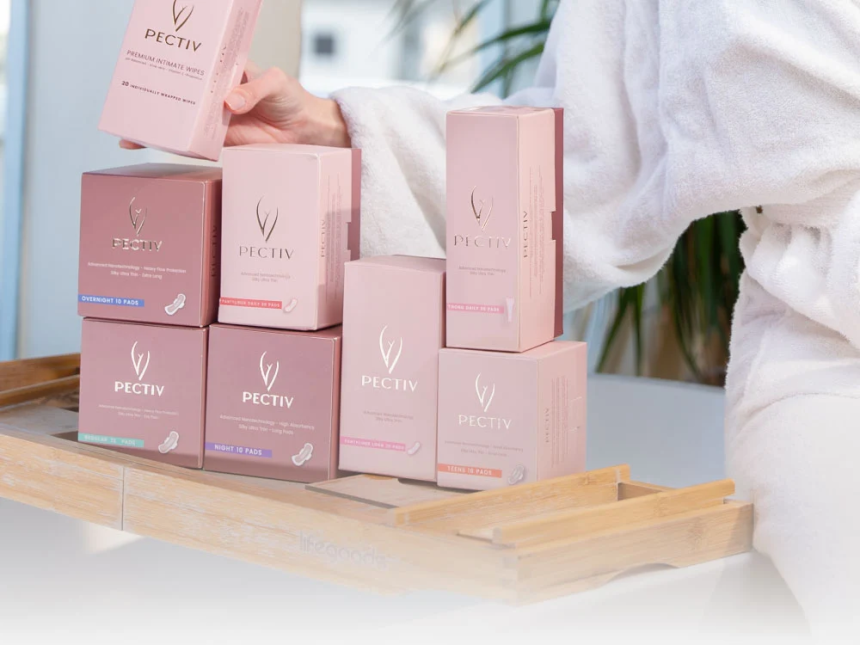
PECTIV is a UAE-based period care brand focused on comfort, hygiene and confidence. They combine ultra-thin pads with their Anion Shield technology, use gynaecologist-approved, hypoallergenic materials, and offer day, night and overnight options. Their bundles and free UAE delivery help customers build a routine that fits their body and flow.