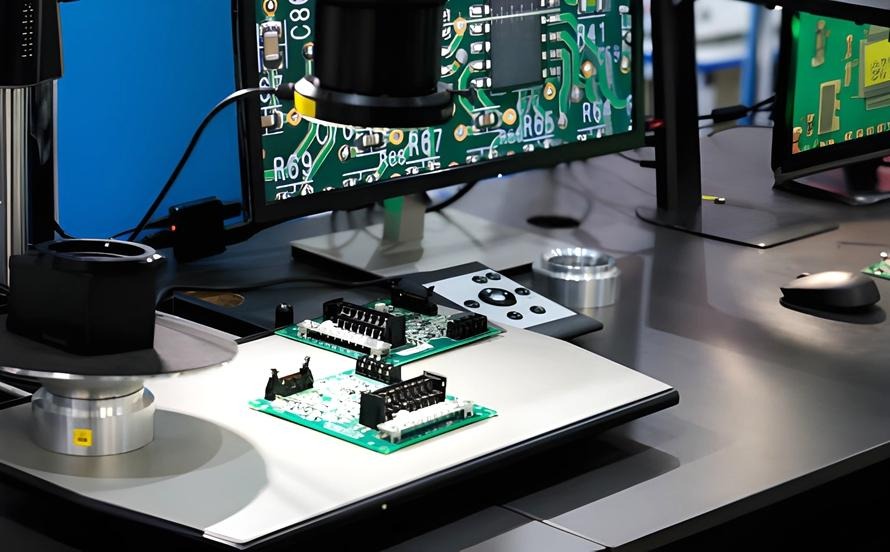
For companies developing electronic products, managing manufacturing expenses is one of the most important aspects of project planning. Among the various production costs involved, PCB Assembly Cost plays a significant role in determining the overall budget and profitability of a product. Whether manufacturing prototypes, low-volume production runs, or large-scale commercial products, understanding the factors that influence assembly costs can help businesses make informed decisions and optimize their manufacturing strategies.
PCB assembly involves mounting electronic components onto a printed circuit board, creating the electrical connections necessary for the device to function. The complexity of this process, along with material selection, production volume, and quality requirements, directly impacts the final assembly cost. By understanding these cost drivers, manufacturers can reduce expenses while maintaining product quality and reliability.
What Is PCB Assembly Cost?
PCB Assembly Cost refers to the total expense associated with assembling electronic components onto a printed circuit board. This cost includes labor, machine setup, soldering processes, component placement, inspection, testing, and other manufacturing activities required to produce a functional circuit board assembly.
The cost of PCB assembly varies widely depending on the complexity of the design and the manufacturing requirements. A simple consumer electronics board may have a relatively low assembly cost, while a high-density, multilayer board used in aerospace or medical applications may require significantly greater investment.
Understanding PCB Assembly Cost helps businesses estimate budgets accurately and evaluate manufacturing quotations more effectively.
Why PCB Assembly Cost Matters
For many electronic products, assembly expenses account for a significant portion of total production costs. Poor cost management can reduce profit margins, increase product prices, and affect competitiveness in the marketplace.
By carefully analyzing PCB Assembly Cost, companies can:
- Improve budgeting accuracy
- Optimize product designs
- Compare supplier quotations
- Reduce manufacturing expenses
- Increase production efficiency
- Improve profitability
A clear understanding of assembly costs also helps engineers make design decisions that support both performance and manufacturability.
Component Quantity and PCB Assembly Cost
One of the most important factors affecting PCB Assembly Cost is the number of components that must be placed on the board.
Boards with higher component counts require more placement operations, inspection procedures, and testing activities. Although modern pick-and-place machines can install thousands of components per hour, increased component density still contributes to higher assembly expenses.
Reducing unnecessary components through design optimization can often lower assembly costs without sacrificing functionality.
Engineers frequently use integrated circuits and multifunctional components to minimize component count and simplify manufacturing.
Component Types and Package Complexity
Not all electronic components are equally easy to assemble.
Standard surface-mount components generally have lower assembly costs because they can be placed quickly using automated equipment. However, advanced component packages often require additional manufacturing resources.
Examples include:
- Ball Grid Arrays (BGAs)
- Micro BGAs
- Fine-pitch integrated circuits
- QFN packages
- Large connectors
- Custom electronic modules
These components may require specialized placement equipment, advanced inspection techniques, and additional process controls.
As package complexity increases, PCB Assembly Cost typically rises as well.
Surface Mount Technology and Through-Hole Assembly
The assembly method used also influences PCB Assembly Cost.
Surface Mount Technology (SMT) is generally the most cost-effective option because it supports highly automated production. SMT components are mounted directly onto the surface of the PCB and can be assembled rapidly using modern equipment.
Through-Hole Technology (THT), on the other hand, involves inserting component leads through drilled holes in the board. This process often requires manual labor or additional soldering operations.
Products that combine SMT and THT components may have higher assembly costs due to the need for multiple manufacturing processes.
PCB Complexity and Design Requirements
The complexity of the PCB itself plays a major role in determining assembly expenses.
Factors that increase PCB Assembly Cost include:
- High component density
- Fine-pitch component spacing
- Double-sided assembly
- Multilayer boards
- High-density interconnect designs
- Tight manufacturing tolerances
Complex boards require more sophisticated assembly equipment, longer setup times, and additional quality control procedures.
Designing for manufacturability can help reduce complexity and improve production efficiency.
Production Volume and Economies of Scale
Production quantity has a significant impact on PCB Assembly Cost.
Many manufacturing expenses, such as programming, machine setup, tooling, and process validation, are fixed costs. When production volumes increase, these costs are distributed across a larger number of units.
As a result, the assembly cost per board decreases as production volume grows.
Prototype projects and small production runs often have higher per-unit costs because setup expenses represent a larger portion of the overall manufacturing budget.
Companies planning long-term production should consider volume pricing strategies when evaluating suppliers.
Material and Soldering Costs
The materials used during assembly also affect total manufacturing expenses.
Key material costs include:
- Solder paste
- Flux
- Cleaning materials
- Assembly consumables
- Stencils
Lead-free soldering processes, which are widely used to comply with environmental regulations, may require different materials and process controls compared to traditional leaded soldering methods.
Material selection should balance cost, reliability, and regulatory compliance requirements.
Inspection and Testing Requirements
Quality assurance activities are essential for ensuring reliable electronic products, but they also contribute to PCB Assembly Cost.
Manufacturers commonly perform:
- Automated Optical Inspection (AOI)
- X-ray inspection
- In-Circuit Testing (ICT)
- Functional testing
- Flying probe testing
These procedures help identify assembly defects before products are shipped to customers.
Although inspection and testing increase manufacturing expenses, they often reduce long-term costs by preventing product failures and warranty claims.
For high-reliability industries such as aerospace, medical devices, and automotive electronics, extensive testing is a necessary investment.
Labor Costs and Manufacturing Location
Labor expenses vary significantly depending on manufacturing location and project requirements.
Highly automated facilities can reduce labor costs through increased production efficiency. However, certain assembly activities, such as manual soldering, rework, and inspection, still require skilled technicians.
Manufacturing regions with established electronics industries often offer competitive pricing due to economies of scale, supply chain advantages, and specialized expertise.
Companies frequently evaluate both cost and quality when selecting assembly partners.
Strategies to Reduce PCB Assembly Cost
Several approaches can help businesses lower manufacturing expenses while maintaining quality.
Design simplification is one of the most effective cost-reduction strategies. Reducing component count, standardizing component packages, and improving board layouts can significantly improve assembly efficiency.
Design for Manufacturability (DFM) reviews help identify potential production challenges early in the development process.
Working closely with experienced manufacturers can also reveal opportunities for process optimization and cost savings.
Increasing production volumes and consolidating supplier relationships may further reduce overall assembly expenses.
Careful planning during the design stage often produces the greatest long-term savings.
Future Trends Affecting PCB Assembly Cost
The electronics manufacturing industry continues to evolve through advancements in automation, artificial intelligence, and smart factory technologies.
Modern assembly equipment offers faster placement speeds, improved accuracy, and enhanced process monitoring capabilities. These innovations help manufacturers improve efficiency and reduce production costs.
Digital manufacturing systems provide real-time production data, enabling better resource management and process optimization.
At the same time, increasing product complexity and component miniaturization create new manufacturing challenges that may influence future assembly costs.
Companies that embrace advanced manufacturing technologies will be better positioned to manage costs while maintaining high product quality.
Conclusion
Understanding PCB Assembly Cost is essential for effective product development, budgeting, and manufacturing planning. Numerous factors influence assembly expenses, including component quantity, package complexity, board design, production volume, material selection, testing requirements, and labor costs. By optimizing designs, implementing Design for Manufacturability practices, and partnering with experienced manufacturing providers, companies can improve production efficiency while controlling costs. As electronics manufacturing continues to advance through automation and smart factory technologies, businesses that carefully manage assembly expenses will gain a competitive advantage. Choosing the right PCB Assembly Solution can help organizations achieve reliable production, improved quality, and long-term cost efficiency in today’s rapidly evolving electronics industry.