Winter is when most households start noticing how much energy their hot water system really uses. Longer showers, colder incoming water, and higher daily hot water demand can place extra pressure on a standard electric geyser. For many South African homes, this makes winter the ideal time to review whether the current system is still cost-effective.
A geyser heat pump is one of the smartest upgrades for reducing water-heating electricity costs. Instead of using electricity to generate heat directly, it transfers heat from the surrounding air into the water. This allows the system to produce hot water far more efficiently than a traditional electric element.
While many people think about heat pumps during summer or when planning major home upgrades, winter is actually one of the best times to install one. It is the season when the savings are easiest to feel, the weaknesses in an old geyser setup become most obvious, and homeowners can prepare their property for more efficient year-round hot water use.
Why winter exposes geyser inefficiency
A standard electric geyser works harder during colder months. The incoming water is colder, the stored water loses heat faster, and households often use more hot water. This means the geyser element switches on more often and runs for longer periods.
That extra usage can lead to:
- Higher electricity bills
- Slower hot water recovery
- Increased strain on the geyser element
- More noticeable heat loss from poor pipe insulation
- Greater frustration during peak morning and evening usage
If your geyser already struggles in winter, it is usually a sign that the system is either inefficient, poorly insulated, incorrectly managed, or no longer suited to the household’s hot water demand.
How a geyser heat pump helps during winter
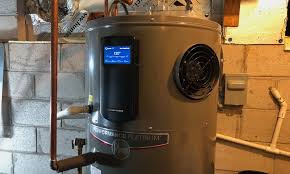
A geyser heat pump reduces the amount of electricity needed to heat water. It works by drawing heat from the surrounding air and transferring it into the water system. Because it moves heat rather than creating heat directly, it can deliver strong efficiency benefits compared with a conventional electric element.
During winter, this matters because water heating demand is higher. A heat pump helps reduce the energy burden at the exact time your geyser would normally be working hardest.
For smaller homes or lower-demand households, the ITS 3.6kW geyser heat pump is a relevant option because it is suited to more compact residential hot water systems where efficiency and lower running costs are the main priorities.
Installation timing is easier before peak failure
Many geyser upgrades happen reactively. A geyser fails, the household loses hot water, and the homeowner has to make a rushed decision. That is rarely the best time to compare options properly.
Installing a heat pump during winter allows you to act before a full system failure. You can assess your current geyser setup, confirm the right heat pump size, plan the installation position, and ensure the correct components are included.
This is better than waiting until:
- The geyser element fails
- Electricity bills become unmanageable
- Hot water demand exceeds the system’s capacity
- Emergency plumbing work becomes necessary
- You need a fast replacement with limited planning
A planned installation is almost always better than an emergency installation.
Winter gives a clearer picture of household demand
One of the biggest mistakes with geyser heat pump installations is choosing a unit based only on price. The correct system depends on geyser size, hot water usage, number of occupants, bathrooms, pipe distance, and installation layout.
Winter gives homeowners a more accurate view of real demand. If the household can maintain efficient hot water supply in winter, the system is more likely to perform comfortably through the rest of the year.
For medium-sized homes with more regular hot water demand, the ITS 4.5kW Super geyser heat pump is a strong fit because it offers more capacity while still supporting efficient water heating.
What should be checked before installation?
A proper geyser heat pump installation is not just about placing the unit outside and connecting pipes. The setup must be assessed properly to avoid performance issues later.
Before installation, the installer should check:
- Existing geyser size
- Daily hot water demand
- Available outdoor or semi-outdoor installation space
- Airflow around the planned unit position
- Condensation drainage
- Pipe distance between geyser and heat pump
- Electrical safety and isolation
- Required valves and protection components
- Whether pipe insulation is needed
These checks matter because a heat pump depends on airflow, correct circulation, and proper system control. A poor installation can reduce efficiency and shorten the system’s lifespan.
Why installation kits matter
The heat pump itself is only one part of the installation. The supporting components are just as important. Valves, strainers, switches, and fittings help regulate the system, protect internal components, and make future maintenance easier.
Using the correct installation kit reduces the chance of shortcuts or missing parts. For smaller to mid-sized ITS installations, the ITS geyser heat pump installation kit is directly relevant because it supports a cleaner and more controlled setup.
A proper kit helps with:
- Safer system control
- Better water flow management
- Easier isolation for servicing
- Protection from debris
- Improved long-term reliability
A cheaper installation that excludes essential components can become more expensive later if faults or performance issues appear.
Winter installation can improve year-round savings
Installing a geyser heat pump in winter does not only help during cold months. It sets the home up for year-round energy savings.
Once installed, the system continues to reduce electricity demand during spring, summer, and autumn. This means homeowners benefit from improved efficiency long after winter has passed.
The long-term benefits include:
- Lower water-heating energy use
- Better hot water recovery
- Reduced load on the geyser element
- More predictable electricity bills
- Improved energy efficiency for the property
For households planning broader energy improvements, such as solar or backup power, a heat pump also makes sense because it reduces the power demand required for water heating.
Common winter installation mistakes to avoid
The biggest mistake is rushing the decision because the household needs hot water urgently. Even in winter, the installation should still be properly planned.
Avoid these common errors:
Choosing the cheapest system
The lowest-cost unit is not always the right fit. Capacity must match the geyser and household demand.
Ignoring airflow
A heat pump needs enough space around it to draw and release air properly. Poor placement reduces efficiency.
Forgetting pipe insulation
Long or exposed pipe runs can lose heat, especially in colder weather. Insulation helps preserve efficiency.
Leaving out drainage
Heat pumps produce condensation. The water needs to drain safely away from walls, paving, or electrical areas.
Not confirming installation components
A quote should clearly state which fittings, valves, and control components are included.
Who should consider winter installation?
Winter installation is especially relevant for:
- Families with high daily hot water usage
- Homes with older electric geysers
- Properties with rising electricity bills
- Households planning solar or backup power
- Homeowners wanting better long-term energy control
- Larger homes where hot water recovery is becoming slow
If the current geyser setup feels expensive or unreliable during winter, that is usually the clearest sign that an upgrade should be considered.
Final thoughts
Winter is one of the best times to install a geyser heat pump because it reveals exactly how much pressure your hot water system is under. Higher usage, colder incoming water, and rising electricity costs make geyser inefficiency harder to ignore.
A properly installed heat pump can reduce electricity demand, improve hot water performance, and support long-term savings. The key is choosing the right unit, planning the installation carefully, and making sure the correct components are included from the start.
For homeowners who want to reduce energy costs without sacrificing hot water comfort, winter is not the wrong time to install a geyser heat pump. It may be the smartest time.